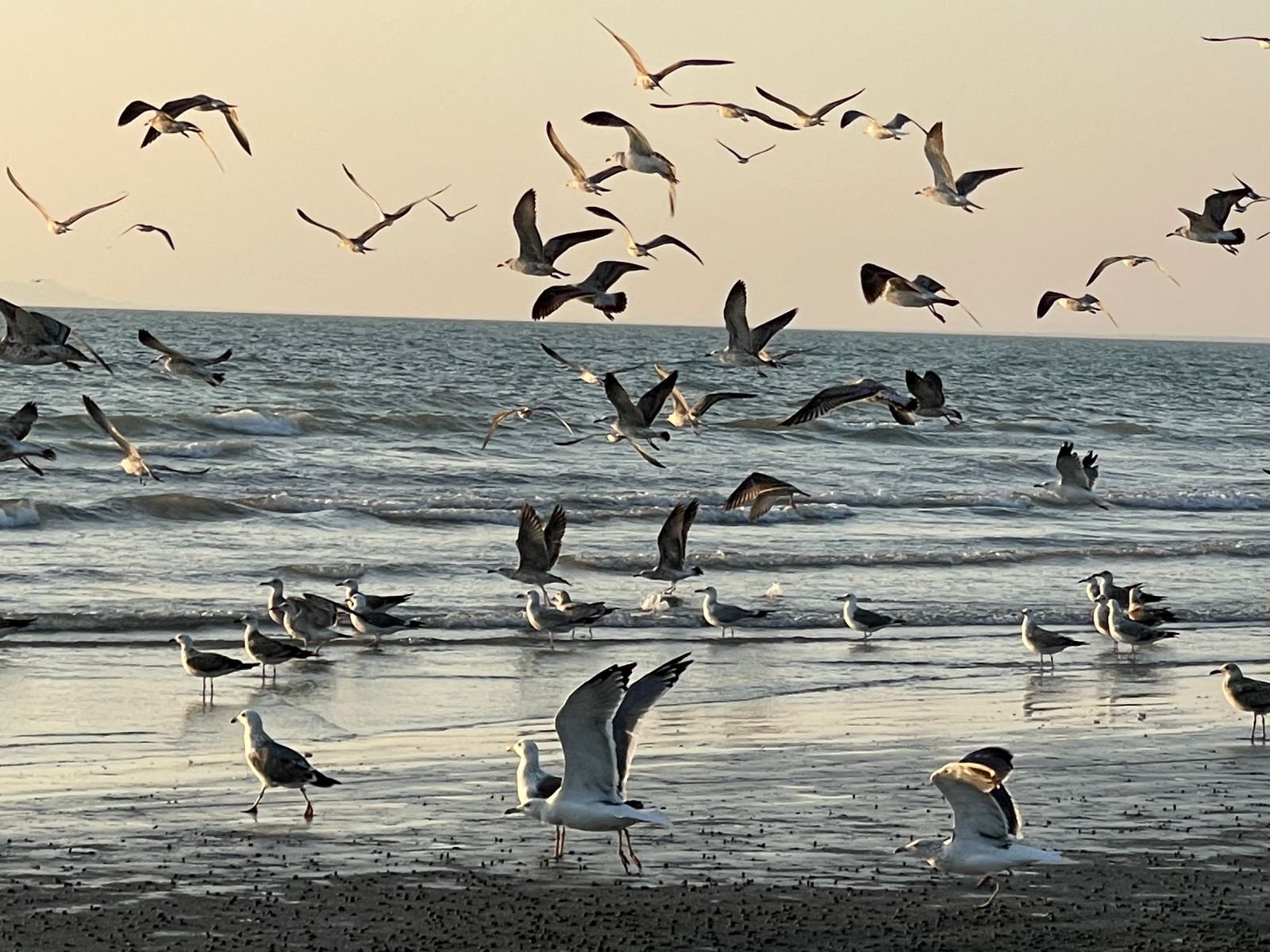
Delayed Arrival of Migratory Birds in Gwadar Signals Shifting Climate Patterns
Islamabad: Climate change and unchecked human activities are increasingly disrupting the centuries-old migration patterns of birds traveling through Pakistan’s coastal belt, according to environmental expert Abdul Rahim Baloch, who spoke to Climatedatabook by phone on Thursday.
Baloch said that every winter, Gwadar’s coastline transforms into a sanctuary for thousands of migratory birds arriving from Siberia and Central Asia. These birds travel along the Makran Corridor, one of six major global flyways connecting Eurasia to the warmer coasts of South Asia and the Middle East.
Read More: Coastal Ecosystems Vital For Migratory Birds, Livelihoods: Maritime Minister
“The coastal district of Gwadar lies at the heart of the Makran Corridor, where a spectacular seasonal influx of bird species takes place each year from September to March,” he said. “However, this year the arrival of migratory birds has been delayed until October, mainly due to the changing climate and warming patterns in their native habitats.”
Baloch noted that rising temperatures, shrinking wetlands, and coastal development are causing shifts in migratory timing and behavior. “The number of migratory birds visiting the western bay of Gwadar, particularly at Padi Zar Beach, has dropped significantly,” he said. “Habitat loss is the main reason as residential construction has extended too close to the shoreline, disturbing nesting and feeding zones.”
According to Baloch, the Makran coastal region provides habitat to more than 200 bird species, both terrestrial and marine. Their presence, he added, enriches the area’s biodiversity and natural charm. “From the beaches of Makran to the wetlands of Hingol National Park, the chirping of migratory birds adds a unique rhythm to the coastal environment,” he remarked.
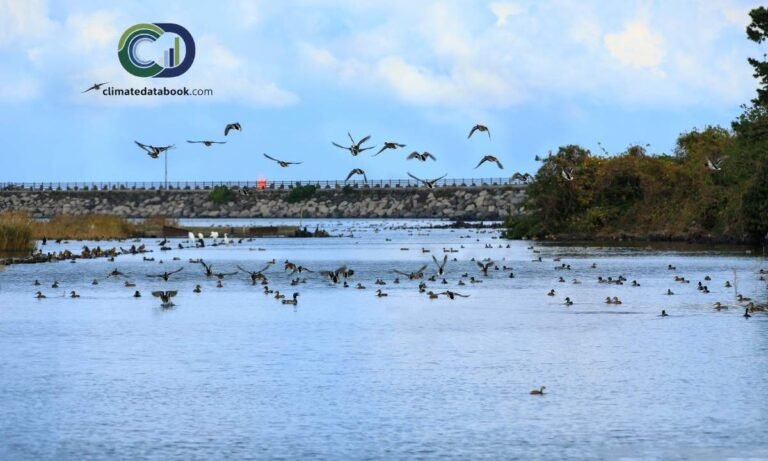
Among the species frequently spotted around Gwadar’s coastal waters and lagoons are gulls, terns, cormorants, herons, egrets, sandpipers, plovers, and waders. Waterfowl such as the Eurasian wigeon, common teal, shoveler, marbled teal, and large species like Great White Pelican, Dalmatian Pelican, and Greater Flamingo are also regular visitors during the migration season.
Highlighting the ecological significance of the region, Baloch described Hingol National Park as “the heart of the Makran Corridor.” It is Pakistan’s largest national park, hosting more than 185 recorded bird species, including globally rare or threatened birds such as the Dalmatian pelican, saker falcon, and Egyptian vulture.
Environmentalists have long cautioned that climate change, illegal hunting, pollution, and urban expansion pose increasing threats to migratory birds and their fragile habitats. Baloch emphasized the urgent need for a joint conservation strategy between the government and environmental organizations to safeguard these ecosystems.
“If immediate steps are not taken to control habitat encroachment and pollution,” he warned, “Pakistan risks losing a vital part of its natural heritage. The Makran Corridor must remain a safe passage and sanctuary for migratory birds for generations to come.”




Congratulations on the launch of this incredible initiative! Climate change awareness is more critical than ever, and I love seeing you use your platform to share insightful articles and analysis. Fantastic effort, and I can’t wait to follow your work.