Fire at COP 30 Venue Reminds of Global Wildfire Management Gaps
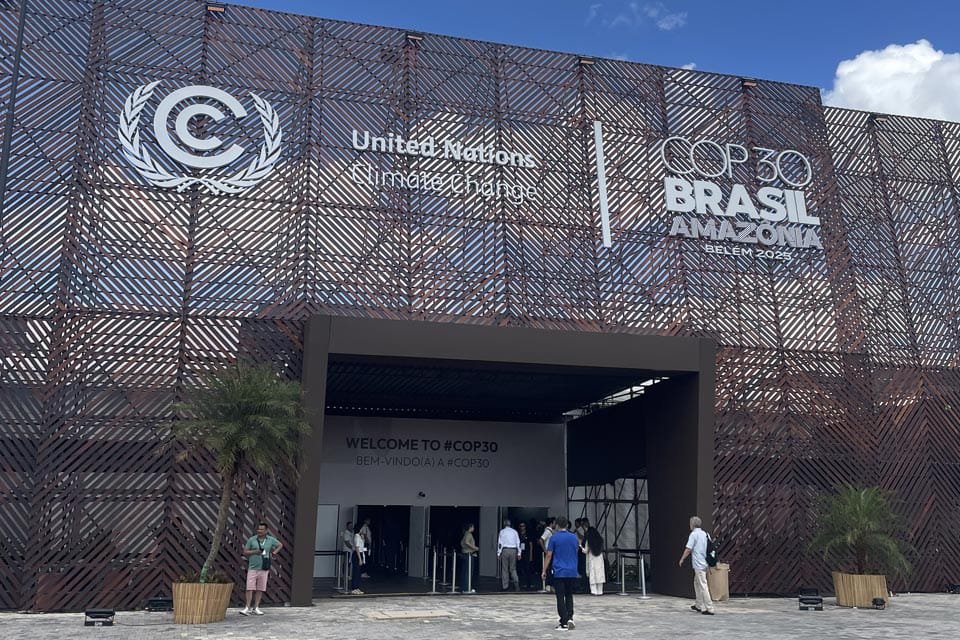
Belem, Brazil: The recent fire outbreak during the COP 30 climate summit in Belém, Brazil, dramatically underscored the urgent realities addressed in the “Call to Action on Integrated Fire Management and Wildfire Resilience” session, the first time this crucial topic appeared at a United Nations Climate Change Conference.
Led by Brazil with global leadership support, this session redefined fire management as an essential component of climate adaptation and environmental protection, shifting away from a purely reactive stance.
The coincidental fire outbreak during deliberations aimed at reshaping wildfire responses highlighted the vital need to rethink global approaches to this intensifying challenge exacerbated by climate change.From the Amazon basin to Pakistan’s forests, wildfires are growing more frequent, intense, and harder to control, demanding an integrated approach that emphasizes prevention and the combination of scientific innovation with traditional and Indigenous knowledge.
Near the The Amazon rainforest, the world’s largest tropical forest, grapples with persistent fire threats largely triggered by human activities like deforestation and land clearing, worsened by climate-induced droughts. Particularly with severe peaks in 2019 and 2020, Amazon wildfires have drawn extensive attention for their far-reaching climate and environmental impacts.
Indigenous communities historically used controlled burns to maintain ecosystem balance, but large-scale deforestation and rising temperatures have overwhelmed these traditional methods, releasing massive carbon stores, degrading biodiversity, and disrupting essential ecosystem services.
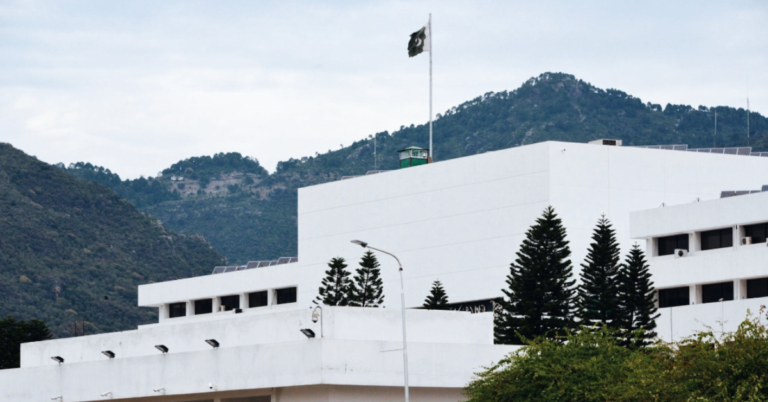
This has driven demands for coordinated fire prevention strategies that effectively integrate Indigenous fire stewardship with modern early detection and response technologies. Pakistan faces a comparably growing wildfire menace, particularly in its northern mountainous regions, including the Western Himalayas and Islamabad’s Margalla Hills.
These fires, often ignited by dry weather, unchecked human activity, and changing climate patterns, threaten biodiversity, local communities, and air quality. Pakistan’s wildfire outbreaks often overwhelm firefighting resources, exposing gaps in fire management policies.
Government and environmental organizations advocate for enhanced fire prevention infrastructure, community education, and incorporation of local ecological knowledge to mitigate wildfire risks. The COP 30 “Call to Action on Integrated Fire Management and Wildfire Resilience” session was groundbreaking in framing wildfires as a central climate and environmental issue.
Brazil spearheaded the call to transition from reactive suppression to proactive, prevention-focused management, emphasizing early warning systems and the fusion of Indigenous wisdom with cutting-edge science.
The session recognized wildfires’ links to broader challenges such as climate change, land use, and biodiversity loss, and underscored the essential investments in infrastructure and community engagement that honor Indigenous forest stewardship.
The wildfire at the COP 30 venue vividly symbolized the urgency of integrating local traditions with scientific and technological approaches. Situated in the fire-affected Amazon region, it reminded global actors that wildfire threats are immediate, not hypothetical, emphasizing the need for coordinated action across global, national, and community levels.
Growing international attention to wildfire resilience opens opportunities for collaboration and innovation. Brazil’s leadership alongside countries like Pakistan highlights the need for context-specific fire management strategies grounded in prevention, inclusivity, science-based methods, and Indigenous knowledge respect.
For Pakistan, escalating wildfire risks linked to climate change necessitate urgent development of integrated fire management frameworks inspired by Amazonian experiences and COP 30’s Call to Action to strengthen prevention, community involvement, and technological application.
The wildfire during COP 30 was not just an unfortunate event but a powerful emblem of intensifying global wildfire threats. This incident underscored the historic shift in climate discourse positioning integrated fire management as critical to environmental resilience.
As wildfires threaten ecosystems worldwide, from the Amazon to Pakistan, global cooperation rooted in science, Indigenous knowledge, and proactive policy is imperative. The COP 30 Call to Action crystallized this urgent need, setting the stage for transforming wildfire risk management in an increasingly warming world.