Climate change Pushes Early Bird Migration to Margalla Hills
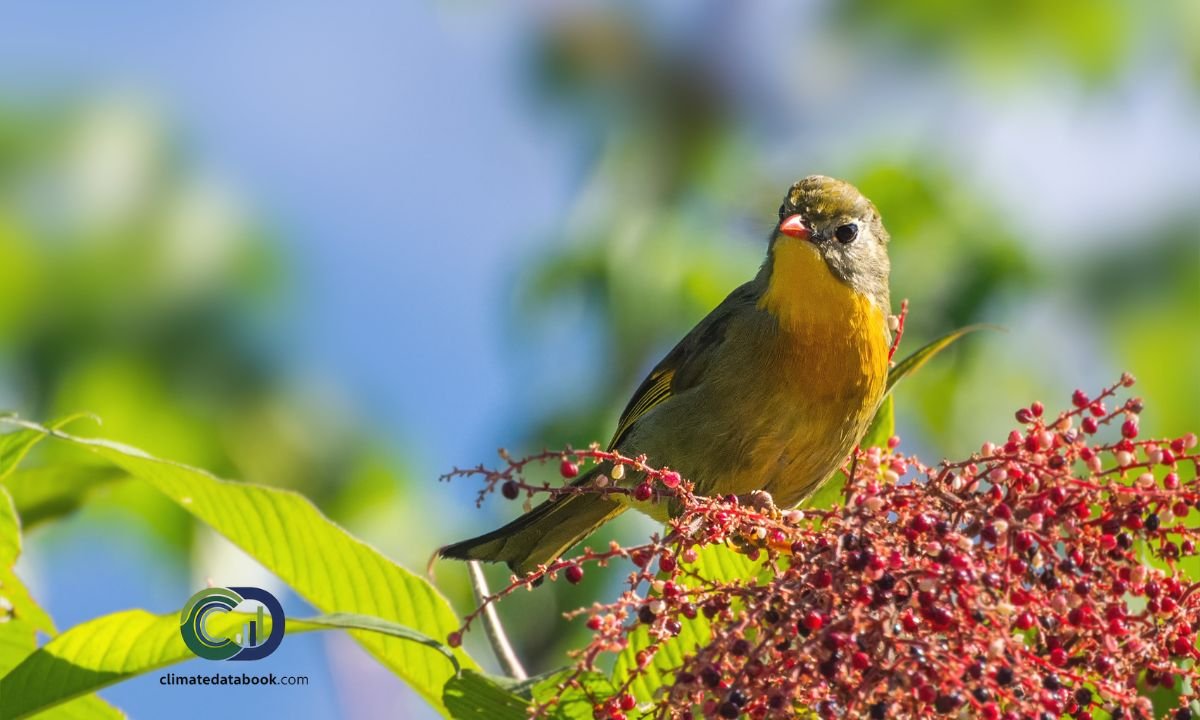
Islamabad: Every year, as temperatures drop in the Himalayas, colorful migratory birds flock to the Margalla Hills near Islamabad in the north, yet this winter, they have started to arrive much earlier than usual, signalling alarming shifts tied to climate change and fluctuating weather patterns. Among these visitors is the Red-billed Leiothrix, a brightly coloured bird that brings life and colour to the forests.
A survey conducted by the Himalayan Wildlife Foundation identified 31 transit migrant bird species in Margalla Hills National Park that mainly move to or from the Himalayas. Native to the Himalayan foothills and known for its melodious song, the Red-billed Leiothrix is both an ecological contributor and a prized sight for birdwatchers across South Asia.
The International Journal of Advanced Agricultural Sciences reports that early arrival of migrating birds interferes with their feeding, resting, and breeding routines, affecting vital ecosystem functions like seed dispersal, insect control, and food chain stability. This phenological shift can result in food shortages, mismatches with insects availability and increased competition with native species, ultimately leading to population declines.
Historical records indicate that the Red-billed Leiothrix was first observed on November 3, 2012, along Trail 5 of the Margalla Hills. Next year, its arrival was noticed on November 9, coinciding with a significant temperature drop. Sightings from 2021 and 2024 confirmed this early November pattern, aligning with the seasonal Himalayan chill that drives flocks to move down to warmer lower elevations.
This year, however, the bird is spotted almost two months earlier, on September 10, 2025. The Islamabad Wildlife Management Board documented this unusual early migration of this bird, which experts link to climate change. Quick increases in average tempratures, changes in precipitation designs, and variations in food resoures are compelling birds to adjust their migration schedules beyond traditional patterns.
BirdLife International, the largest global conservation network working to protect birds, their habitats, and biodiversity explains that before 2012, Himalayan birds such as the Red-billed Leiothrix stayed within the eastern Himalayan valleys which provided their natural habitat, food resources, and migration routes. The Margalla Hills of Pakistan were beyond their ecological and historical range, with only recent shifts in climate patterns and habitat changes enabling their westward movement. This shift emphasizes changes in regional climate areas and habitat connectivity caused due to global warming.
The Margalla Hills, recognized as a biodiversity hotspot and national park since 1980, are home to over 350 bird species. Its lush slopes provide feeding and roosting habitats for migrants like the Leiothrix, the pink-browed rosefinch, and rare species like the red crossbill. The timing of these migrations is closely attributed to climate and ecological cycles, making altitudinal movement a sensitive indicator of ecosystem health. Shifts in migration timing frequently signal broader environmental stress.
Altitudinal migration is a seasonal movement to lower elevation for food and habitat rather than long-distance travel. In the Himalayas, breeding occurs when insects are plentiful and fruiting plants are abundant but as snow blanket the landscape, survival requires descending to warmer shelters such as the Margallas.
Recent GPS tracking studies reveals complex migration behaviours as some birds cross mountain passes, and migration is often female-biased, with males remaining behind to defend breeding sites while females migrate to comparatively safer habitats. These strategies emphasize movement as an instinctive survival tactic.
Altitudinal migrants such as the Red-billed Leiothrix are vital to echosystems by dispersing seeds, controlling insect pests, and serving as indicators forest health. However their delicate migration cycle faces increasing threats from Islamabad’s urban growth, increasing tourism, and habitat disturbance along hiking trails. Climate change affects like Himalayan warming, irregular rainfall, and habitat degradation pose significant risks to migration schedules and survival of species like the Leiothrix.
Disruptions during key migration periods impacts feeding and roosting, emphasizing the urgent need for enhanced conservation efforts like habitat safety, monitoring programmes and initiatives for communitity awareness that protect both resident and migratory birds to maintain echosystem balance.