CDA Pushes Zero-Waste Agenda With Citywide Sanitation Drive
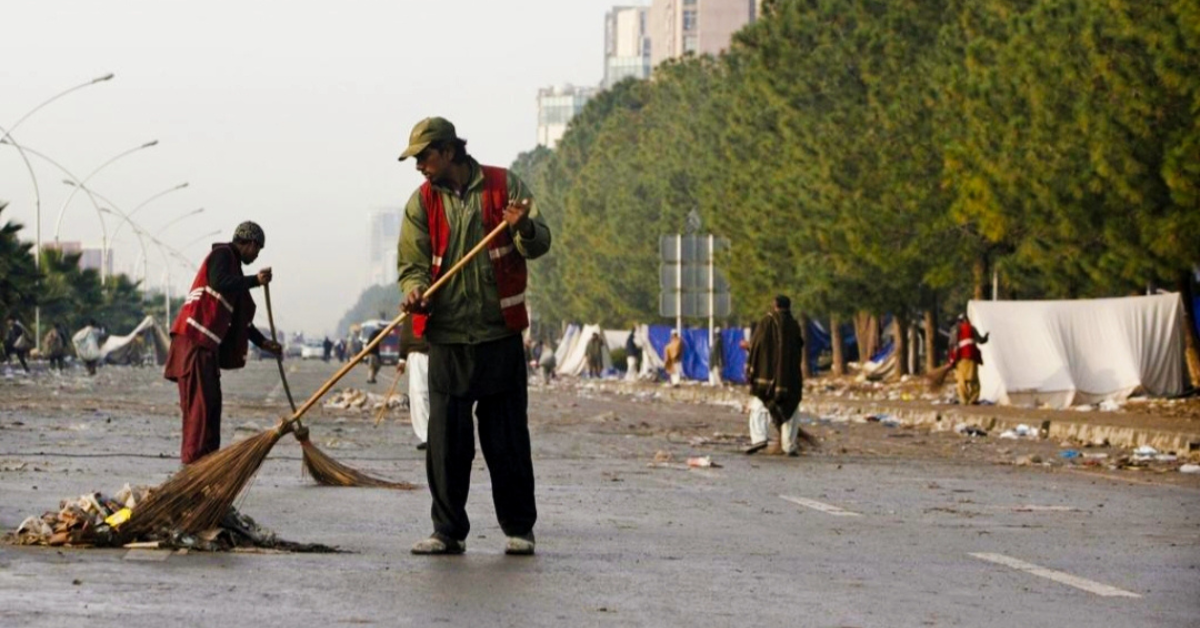
ISLAMABAD: The Capital Development Authority (CDA) launched a citywide sanitation drive to transform Islamabad into a zero‑waste city.
In a post on X, the CDA said over 2,500 tonnes of sacrificial animal waste and offal were collected and safely disposed of across the city.
About 150,000 small and large animals were sacrificed during the period.Environmental experts warned that improperly dumped animal waste can damage urban sanitation and local ecosystems.
Dr. Aqeel Ahmed, a faculty member at the Department of Media and Communication Studies, National University of Modern Languages, and a climate communication expert said decomposing organic waste can contaminate water bodies, generate foul odours, attract disease‑carrying insects, and release methane, a potent greenhouse gas.
Animal remains dumped in open areas can also disturb urban wildlife by attracting scavengers into residential neighbourhoods.
The proper disposal of sacrificial waste is critical to protecting water quality as the storm‑water drains of the capital city feed streams that flow into the Rawal Lake watershed, Dr. Aqeel Ahmed added.
The CDA said more than 2,000 sanitation workers and over 200 vehicles and pieces of machinery took part in the drive directed by Prime Minister Shehbaz Sharif and Federal Interior Minister Mohsin Naqvi.
CDA data shows that on the first day of Eid about 65,000 small animals and 44,000 large animals were sacrificed, producing 1,807.868 tonnes of waste.
On the second day, more than 23,000 small animals and 17,000 large animals were sacrificed, generating a further 703.164 tonnes.
As part of disposal measures, the X post noted that 151 burial pits were dug at 89 locations across the city to ensure environmentally safe handling of remains.
Teams also sprayed rose water, phenyl, water and lime in affected areas to neutralize odours and improve sanitation.
The Islamabad Safe City headquarters coordinated with CDA for field activities and Solid Waste Management Wing handled public complaints via a helpline and WhatsApp service.
Muhammad Saleem Shaikh, spokesperson for the Ministry of Climate Change and Environmental Coordination and a climate policy advocacy expert lauded the drive, saying such efforts help prevent waste entering waterways, reduce methane emissions from unmanaged decomposition, and protect local biodiversity.
However, Saleem Shaikh warned that long‑term gains will require improved waste segregation, composting facilities and public awareness as urban populations grow.
The residents of the capital city largely praised the swift collection and disposal of sacrificial waste during Eid-ul-Azha.