Basel Convention Working Group Opens Geneva Talks on Plastic Waste
Geneva, June 23, 2026 — Delegates from around the world gathered in Geneva today for the fifteenth meeting of the Basel Convention’s Open-Ended Working Group (OEWG), with negotiations set to focus on strengthening global controls on hazardous waste, including plastic waste, electronic waste and used textiles.
The four-day meeting, running until June 26 at the International Conference Centre Geneva (CICG), serves as a key preparatory forum for decisions to be considered by the Conference of the Parties (COP) to the Basel Convention. The Basel Convention is the principal international treaty governing the transboundary movement and disposal of hazardous wastes.
The OEWG, one of its subsidiary bodies, is tasked with advancing technical and policy work between meetings of the parties.According to the meeting agenda, delegates will review measures aimed at improving the implementation of the Convention’s prior informed consent (PIC) procedure, which requires exporting countries to obtain approval from importing countries before shipping covered waste materials across borders.
The working group is also expected to consider technical guidelines for the environmentally sound management of several waste streams, including persistent organic pollutants (POPs), electronic waste, waste lead-acid batteries, used and waste pneumatic tyres, and mercury-containing wastes.Plastic waste is expected to remain a prominent issue during the discussions.
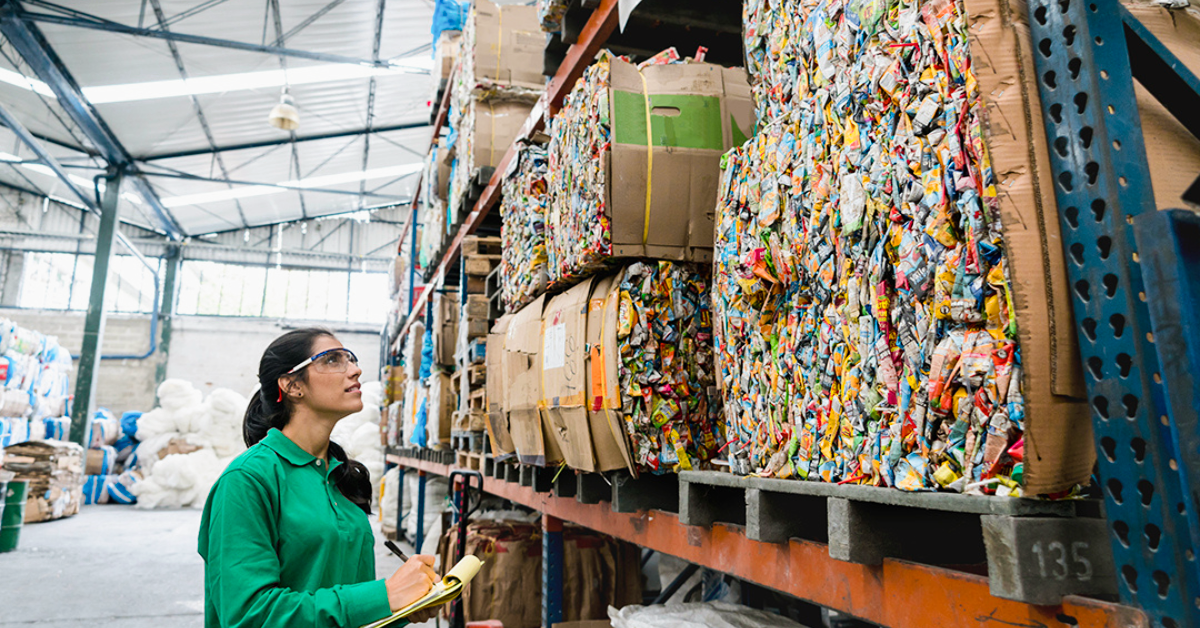
Parties will examine implementation challenges associated with the Convention’s Plastic Waste Amendments, which entered into force in 2021 and expanded international controls over certain categories of plastic waste.During negotiations leading to the Plastic Waste Amendments in 2019, China proposed extending Basel Convention controls to all plastic waste shipments, regardless of destination or hazard classification.
The proposal was not adopted, leaving some categories of plastic waste outside the Convention’s control mechanisms.The debate comes as the European Union has tightened its own waste shipment rules. Since May 21, 2026, all 27 EU member states have required prior informed consent procedures for plastic waste exports leaving the bloc, regardless of whether shipments are destined for member or non-member of Organisation for Economic Co-operation and Development (OECD) countries and irrespective of their hazardous classification.
Research has identified thousands of chemicals used in plastic production, some of which are associated with persistence in the environment, toxicity and bioaccumulation. Studies have also documented the widespread presence of microplastics released throughout the lifecycle of plastic products.Delegates are also expected to discuss used textiles and textile waste, an issue that has gained international attention amid growing concerns over the export of low-value clothing and waste materials from wealthier nations to lower-income countries.
Case studies from countries including Tunisia, Malaysia and Australia are being presented during the meeting to illustrate how certain waste streams, such as household waste, textile waste, plastic waste and refuse-derived fuel, may evade existing monitoring and consent procedures. The meeting will additionally review activities under the Basel Convention Partnership Programme and explore enhanced cooperation with international bodies, including the World Customs Organization and the International Maritime Organization.