CASS Event Highlights Water Security as Climate-Driven National Challenge
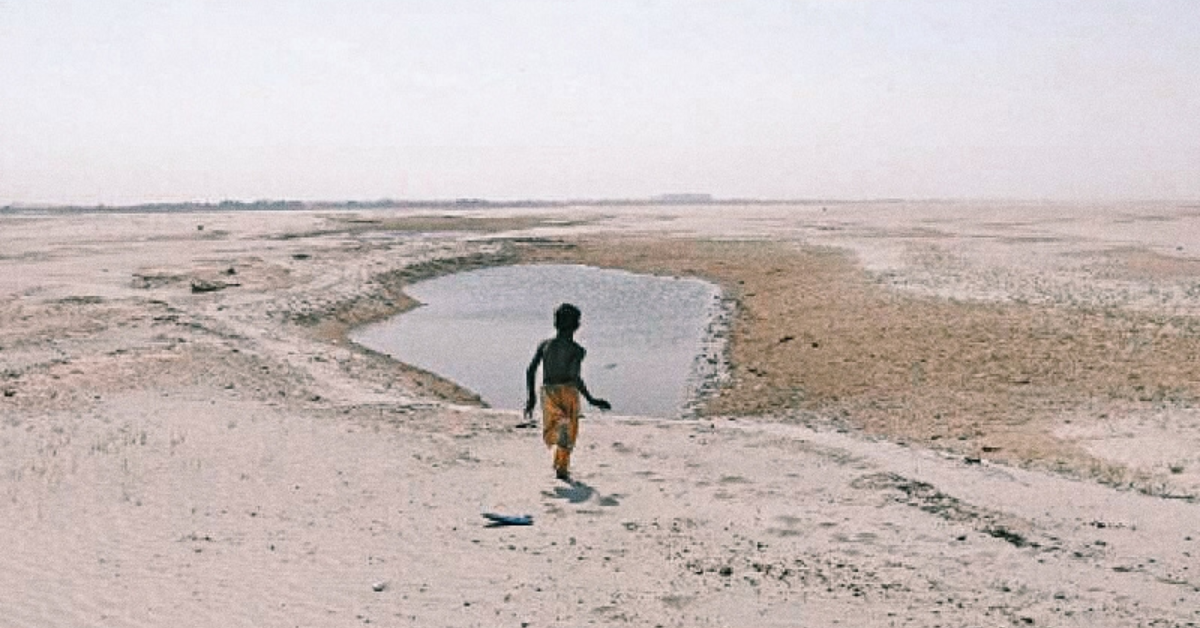
LAHORE, June 12, 2026 — Experts at a seminar have warned that water insecurity, climate change, and governance gaps are emerging as major national security challenges for Pakistan, calling for stronger resilience and strategic water management.
The Centre for Aerospace and Security Studies (CASS), Lahore, organised an event titled “Water Governance as a Climate Security Challenge in Pakistan”, bringing together scholars and practitioners to discuss the growing pressures on the country’s water systems.
Dr Fiaz Hussain Shah, Director IEDC at the National University of Sciences and Technology (NUST), described water security as an integral component of national security due to its direct impact on human well-being. He termed climate change a “threat multiplier” and stressed the need to strengthen resilience against rising water insecurity.
He also discussed hydropolitics in the context of the Indus Waters Treaty and broader regional water disputes, highlighting challenges related to transboundary water governance. Dr Shah further noted Pakistan’s internal water challenges, including groundwater depletion, distribution inefficiencies, and system losses, urging a whole-of-government approach to water security.
Naseer Memon, Senior Advisor for Water Governance at the Sustainable Development Policy Institute (SDPI), said Pakistan is facing acute water stress driven by rapid population growth. He pointed to canal seepage, waterlogging, salinity, and declining arable land as major contributors to agricultural stress.
He also highlighted the ecological importance of the Indus Delta and its mangrove ecosystems in protecting coastal regions from climate impacts. Memon stressed the need for improved groundwater regulation, pollution control, and reforms in cropping patterns, along with managed aquifer recharge and transparent water distribution systems.
Air Marshal Asim Suleiman (Retd), President of CASS Lahore, said water stress in Pakistan has become a lived reality, with increasing dependence on groundwater and growing inter-provincial pressures over resource distribution. He underscored the importance of bridging the gap between policy formulation and implementation, and called for capacity building and long-term strategic planning to address climate-induced water risks.
He also noted the political complexities surrounding regional water arrangements, stressing the need for resilience-oriented statecraft in a changing climate.The event concluded with an interactive discussion on food security, water governance frameworks, climate diplomacy, and local-level management challenges.