NDMA Forecasts Heightened GLOF, Flash Flood Risk Across Northern Pakistan
Islamabad, 27 June 2026 —The National Disaster Management Authority (NDMA) has cautioned an increased risk of glacial lake outburst floods (GLOFs), flash floods and landslides in the northern regions from June 27 to July 3, due to persistent high temperatures and forecast rainfall.
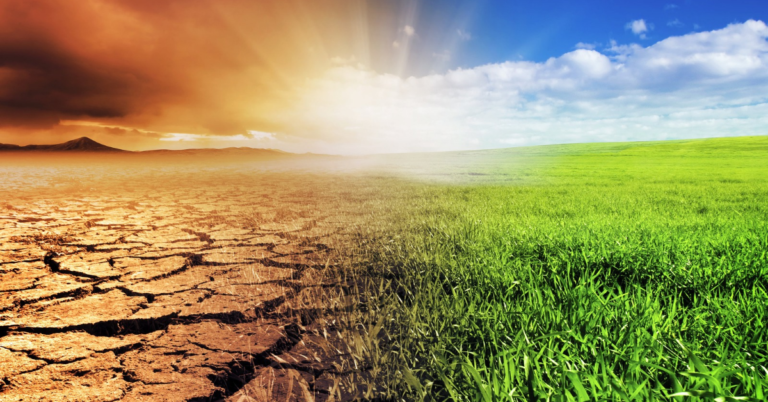
According to an NDMA advisory, above-normal temperatures combined with forecast rain and thunderstorms over Gilgit-Baltistan, Khyber Pakhtunkhwa and Azad Jammu and Kashmir are expected to accelerate glacier and snow melt, increasing river flows and placing additional pressure on glacial lakes.
The authority warned that these conditions could trigger glacial lake outburst floods (GLOFs), flash floods, debris flows, mudflows and landslides in vulnerable mountain catchments.
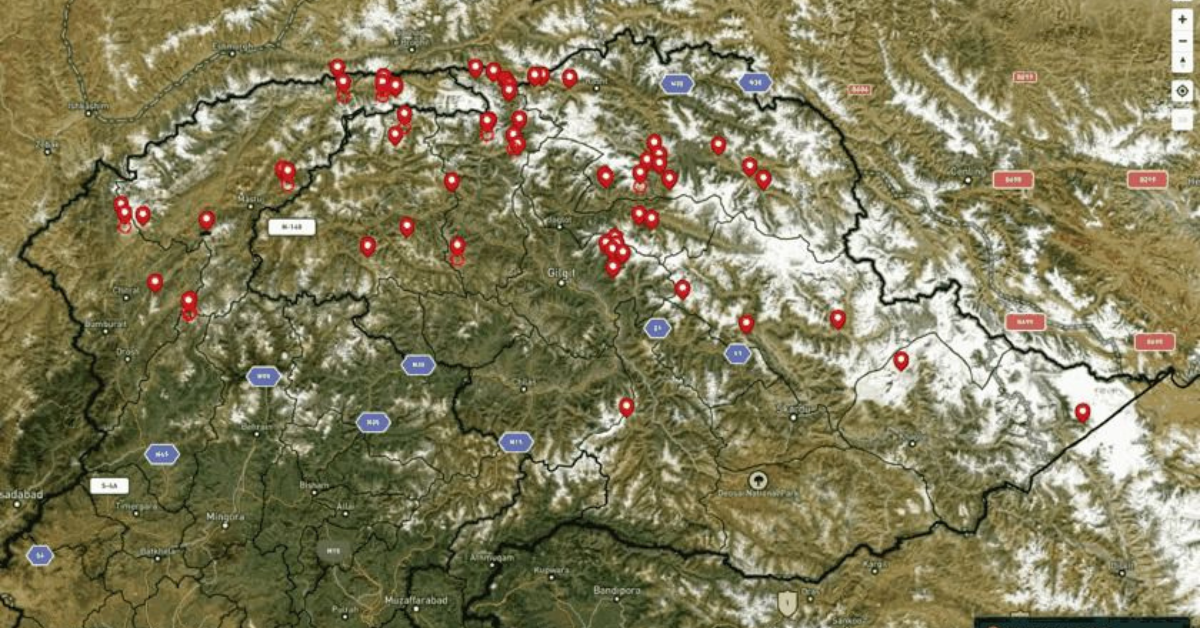
The advisory identified Hunza, Nagar, Ghizer, Skardu, Shigar, Ghanche, Kharmang, Astore, Diamer, Upper and Lower Chitral and Swat among the districts facing elevated risks, along with several glacier-fed valleys, including Badswat, Ishkoman, Hinarchi, Tersat Hundur, Ultar, Owir, Chianter, Gupis, Yasin, Sost, Raushan, Hakis, Chatiboi, Thalu-1, Thalu-2, Reshun, Brep, Booni, Sardar Gol and Pindoru Chaat.
The NDMA said there was a heightened likelihood of sudden increases in river and stream flows, posing risks to downstream communities, roads, bridges, irrigation channels and other critical infrastructure. It also warned that transportation links in mountainous areas could be temporarily disrupted, potentially isolating remote communities.
The disaster management authority said it would continue to closely monitor vulnerable glacial lakes, river discharges and weather conditions in high-risk catchments.Residents were urged to remain alert for sudden rises in water levels, increased river turbidity and unusual sounds from glacier areas, and to report any signs of instability immediately to local authorities.
The NDMA also advised tourists, travellers and local communities to avoid unnecessary activities near glacier-fed rivers and streams and to stay updated through official weather advisories and early warning alerts.