COP17 Highlights Nature-Positive Cities, Public Participation in Biosafety
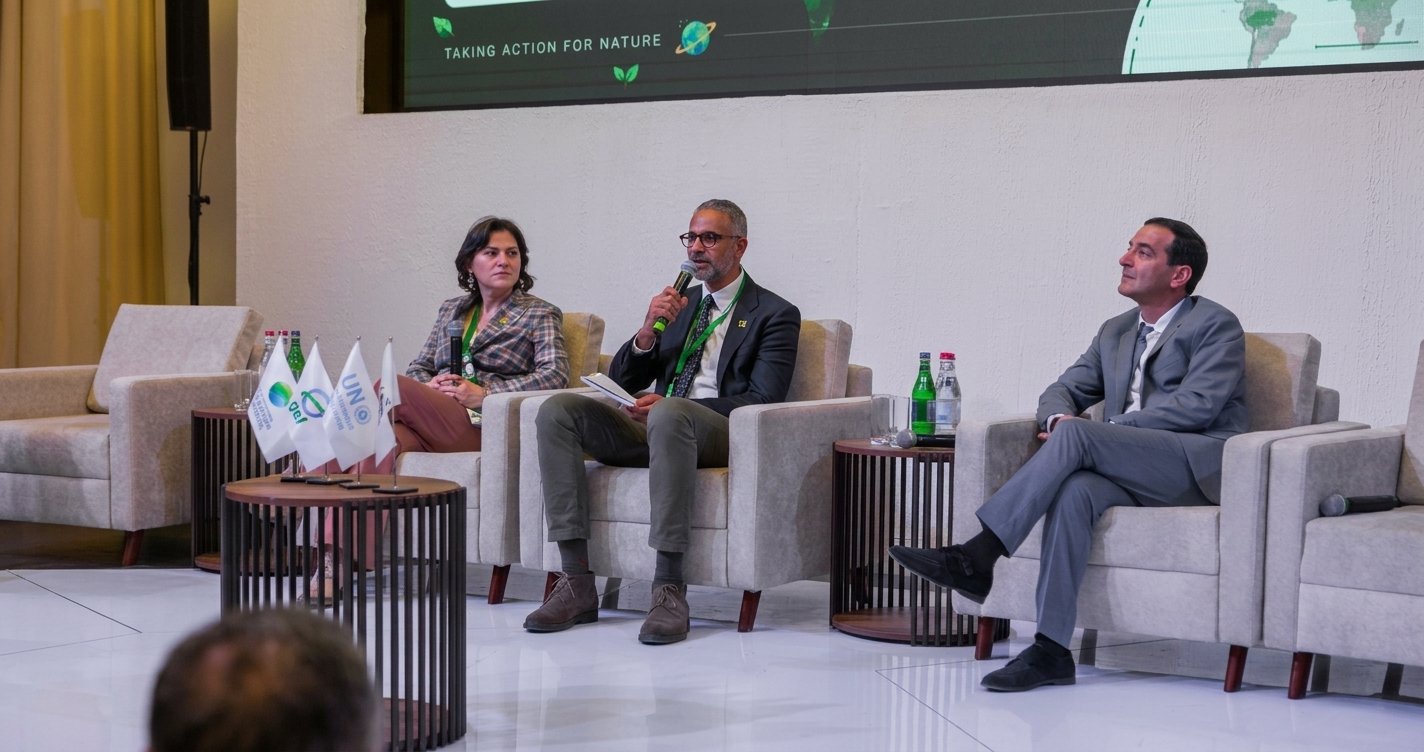
Yerevan, Oct 21: Biodiversity conservation, sustainable urban planning and public participation in environmental decision-making were among the issues discussed at two events held on the sidelines of the 17th meeting of the Conference of the Parties to the Convention on Biological Diversity (CBD COP17) here on Wednesday.
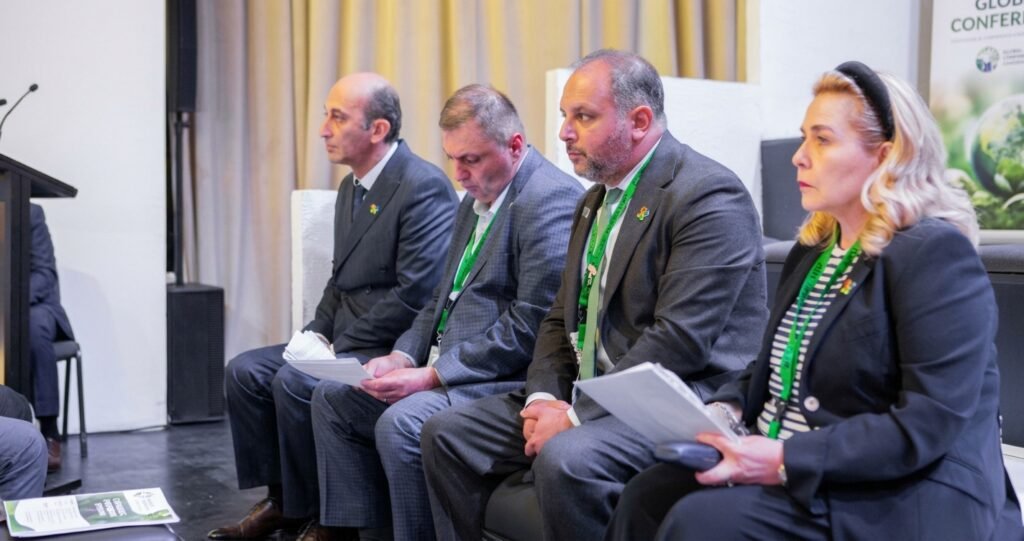
WWF-Armenia organised a panel discussion titled “Nature-Positive Cities: Addressing the Interconnected Challenges of Urbanization, Biodiversity, and Land Degradation for a Sustainable Future”.
The discussion focused on biodiversity conservation, the restoration of degraded ecosystems, green infrastructure and sustainable urban planning. Participants highlighted the role of international cooperation, effective governance and nature-based solutions in developing resilient cities that protect and restore nature.
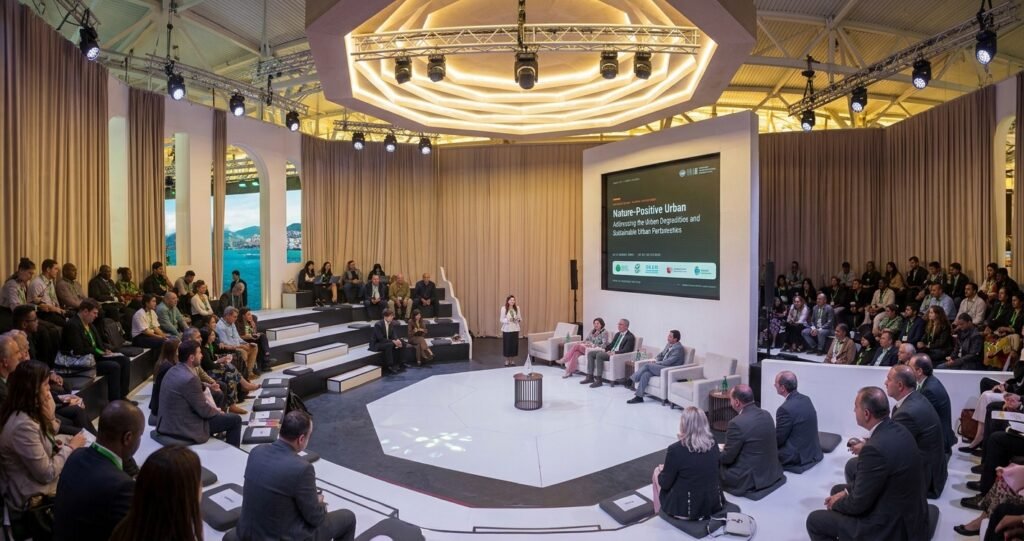
The event was organised under a project jointly implemented with Armenia’s Ministry of Environment, funded by the Global Environment Facility (GEF) and implemented under the United Nations Environment Programme (UNEP).
Read More: Biodiversity COP17 Opens in Armenia to Address Global Nature Loss
Separately, an international training session examined ways to strengthen transparency, access to environmental information and public participation in biosafety-related decision-making.
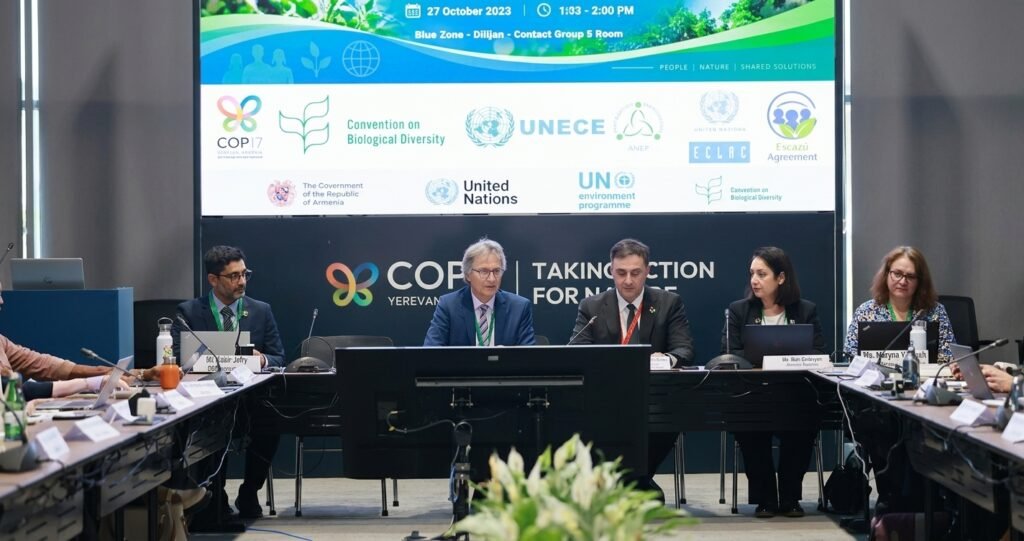
Aram Meymaryan, Armenia’s deputy environment minister, and Astrid Schomaker, executive secretary of the Convention on Biological Diversity, delivered remarks at the event.
Read More: COP17 Reviews Biodiversity Progress, Launches Species Recovery Coalition
The training covered developments under the Cartagena Protocol on Biosafety, the Aarhus Convention and the Escazú Agreement, with particular emphasis on public access to environmental information, participation in decision-making and access to justice.
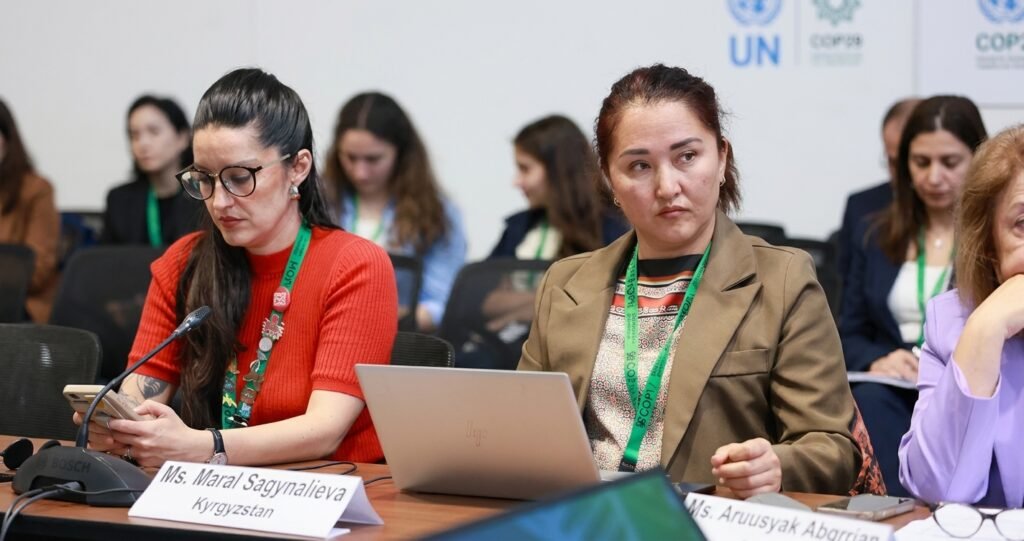
Participants also stressed the importance of sharing international experience and expanding cooperation to strengthen transparent and inclusive decision-making mechanisms in biosafety.