Pakistan needs resilient, intelligent grid for solar expansion: Dr. Habib
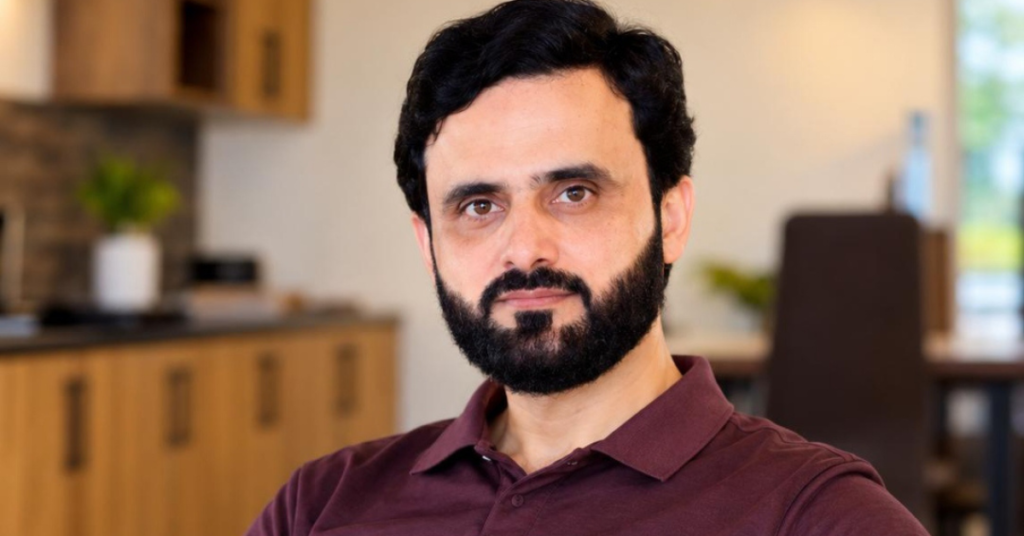
Islamabad, Sept 27: Pakistan’s energy transition cannot be achieved through the rapid installation of solar panels alone and requires an intelligent, flexible and resilient electricity grid capable of integrating variable renewable energy, according to UK-based energy innovation scientist, Dr Habib Ur Rahman.
In an interview with ClimateDataBook, Dr Habib said the growing use of rooftop solar and distributed generation was an important development, but the next challenge was to modernise the electricity grid to manage increasingly complex power flows.
Traditionally, power systems were built around large generating stations supplying electricity through transmission and distribution networks to consumers. With households, businesses and industries increasingly generating as well as consuming electricity, that model is changing.
Solar generation also varies with weather and time of day, while batteries, electric vehicles and digital technologies are creating new patterns of generation, storage and consumption.
“Pakistan therefore needs to move from simply adding renewable generation towards building an intelligent, flexible and resilient electricity system capable of managing it,” Dr Habib said.
Beyond solar expansion
He said Pakistan’s rapid adoption of distributed solar presented both an opportunity and a challenge. While solar generation could reduce reliance on conventional power during periods of sunshine, large-scale distributed generation could also change power flows, voltage profiles and the operation of distribution networks.
A grid designed primarily around one-way electricity flows would increasingly have to accommodate two-way and variable flows, he said.
“Therefore, the measure of progress should not only be how much renewable capacity is installed, but also whether the grid can reliably integrate, coordinate and control it,” he added.
An intelligent grid did not simply mean installing smart meters or using artificial intelligence. It required adequate measurement, communications, automation, forecasting and control systems to monitor changing conditions and respond to them, he said.
Better forecasting could help operators anticipate renewable generation and demand, while advanced monitoring could identify abnormal conditions earlier. Automated controls could manage voltage and power flows, while energy storage could absorb surplus renewable electricity and release it when required.
Demand-side flexibility could also allow some electricity consumption to be shifted away from periods when the system was under stress. Artificial intelligence and data analytics could support renewable forecasting, predictive maintenance, asset-health monitoring, anomaly detection and demand forecasting. But AI should complement rather than replace conventional power-system engineering, Dr Habib said.
Resilience and storage
He said resilience should be treated as an integral part of Pakistan’s energy transition alongside concerns about electricity prices, generation capacity and tariffs. A power system with a high share of renewable and power-electronic generation would operate differently from one dominated by large conventional generators. Battery energy storage, advanced inverter controls and grid-forming converters could consequently become increasingly important.
Grid-forming technology can help establish and support voltage and frequency, rather than simply following an existing electrical grid. For Pakistan, such technologies could eventually support greater renewable integration, microgrids, critical infrastructure and weaker parts of the electricity network, he said.
Energy storage should also be viewed as infrastructure rather than merely emergency backup. Properly coordinated batteries could support renewable integration, frequency control, peak management, voltage support and system restoration, while longer-duration storage could help shift renewable electricity over longer periods.
“The key is coordination among solar generation, storage, conventional power plants, transmission and distribution networks and flexible demand, rather than developing them as separate technologies,” Dr Habib said.
Building local expertise
An intelligent grid would require investment in human and digital infrastructure as well as physical assets, he said. Pakistan would need engineers and researchers with expertise in power systems, power electronics, communications, cybersecurity, artificial intelligence, data analytics and control systems.
Universities, utilities, industry and policymakers could work together to develop such multidisciplinary capabilities, he said, adding that the transition could also create opportunities for young Pakistani engineers.
Growing international demand for expertise in renewable integration, energy storage, intelligent grids, power electronics, digital twins, AI applications and real-time simulation could allow Pakistan not only to adopt new technologies but eventually to develop and export engineering expertise.
A phased approach
Dr Habib suggested that Pakistan develop intelligent-grid capabilities progressively rather than attempt to transform the entire electricity system at once.
Pilot projects could combine distributed solar, battery storage, advanced monitoring, forecasting and intelligent controls at universities, industrial facilities, distribution networks and critical infrastructure.
Their technical performance and economic viability could then be assessed before wider deployment, he said. At the national level, he called for greater attention to grid modernisation, transmission and distribution capacity, energy storage, digitalisation, interoperability, cybersecurity and technical standards alongside renewable-generation targets.
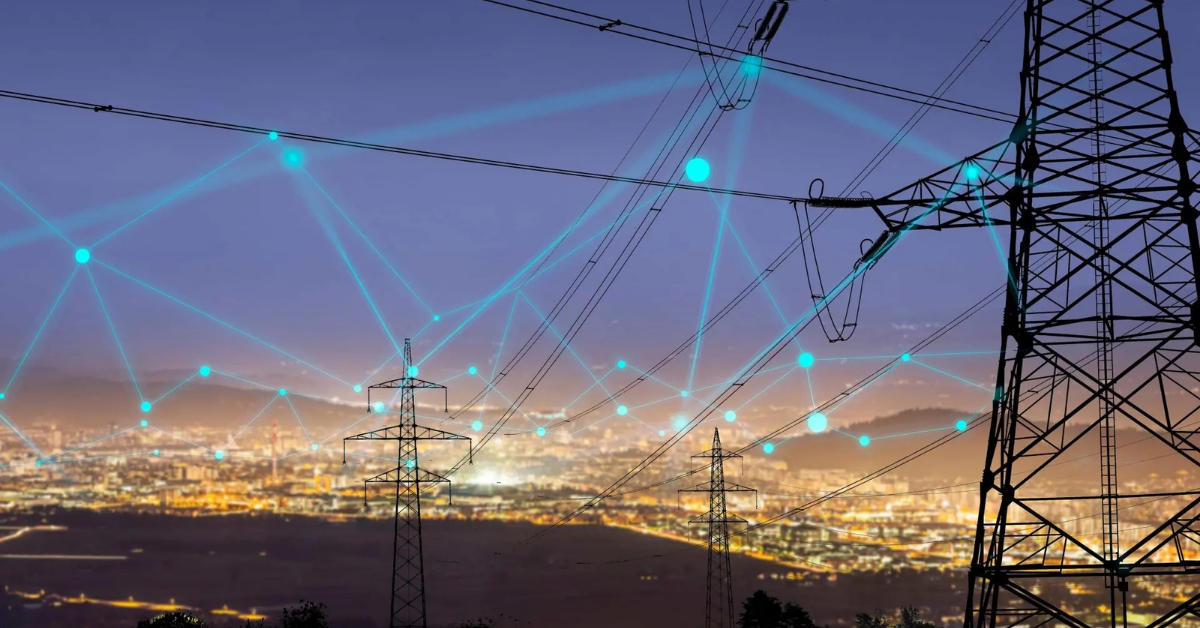
Electricity planning should increasingly treat generation, transmission, distribution, storage and demand as components of one interconnected system rather than as separate technologies.
The wider transition
Pakistan needs more clean energy, but its long-term objective should extend beyond maximising the number of solar panels, Dr Habib said. The broader goal should be an electricity system capable of integrating clean energy reliably, intelligently and economically.
“Solar panels generate electricity. Batteries can move that electricity through time. Digital technologies provide visibility. AI can improve prediction and decision-making. Advanced power electronics can help control increasingly complex electricity flows,” he said.
“The grid is what connects all of these elements.”The next phase of Pakistan’s energy transition, therefore, would involve not only generating cleaner electricity but also building an electricity system capable of managing that energy with greater reliability and resilience.
Dr. Habib Ur Rahman Habib,
UK-based Energy Innovation Scientist, SMIEEE, MIET. He can be reached at: hr.habib@ieee.org