COP17 Reviews Biodiversity Progress, Launches Species Recovery Coalition
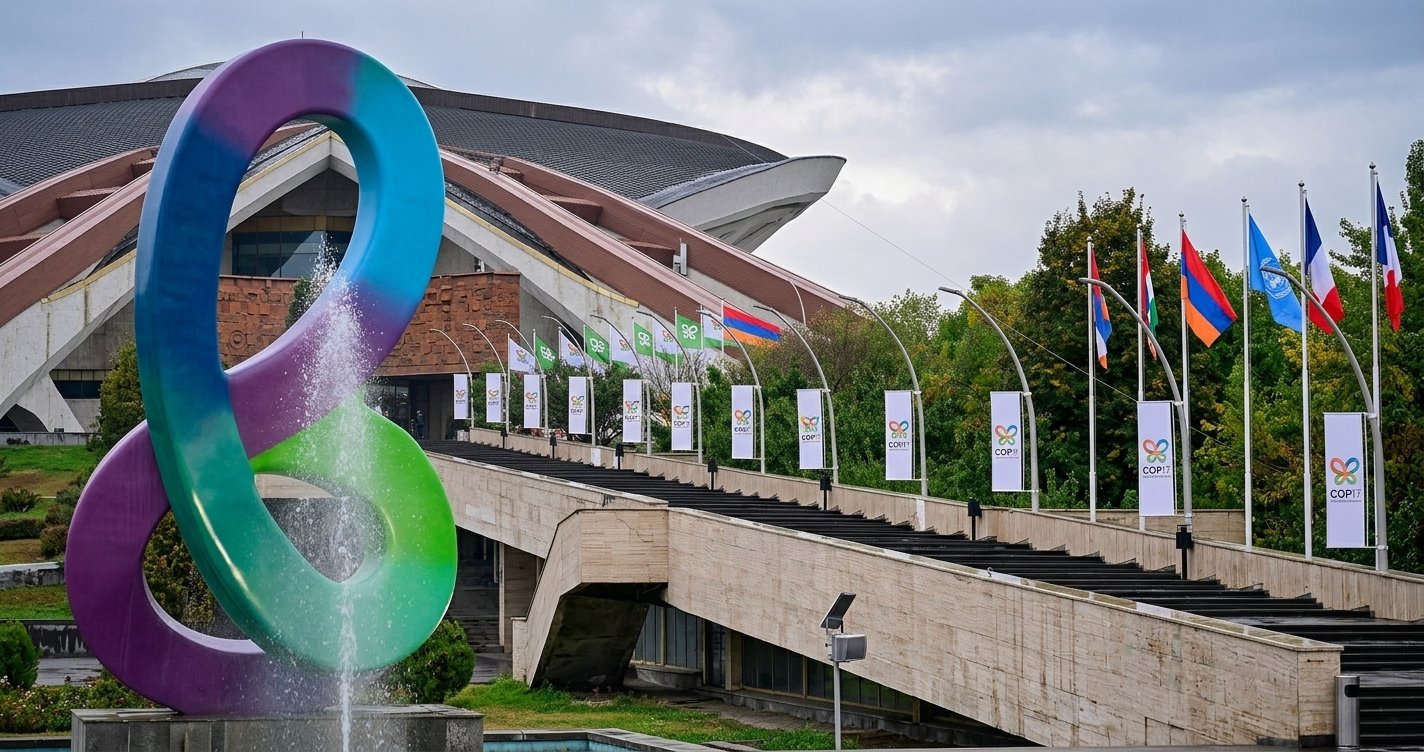
Yerevan, Oct 19: The 17th Conference of the Parties to the Convention on Biological Diversity (COP17) has reviewed progress towards global biodiversity targets, with discussions focusing on implementation, accountability and measures to accelerate conservation efforts by 2030.
At an event titled “Putting the First Global Review into Practice: A Multilateral Dialogue”, participants examined progress under the Kunming-Montreal Global Biodiversity Framework, including the methodology for assessing implementation and challenges related to the availability and quality of data.
Read More: Uzbekistan Proposes Three Biodiversity Initiatives at COP17
The global review drew on national reports from 129 countries, National Biodiversity Strategies and Action Plans from 89 countries, and national targets submitted by 162 countries. Discussions also focused on translating the review’s findings into practical decisions and developing the “Yerevan Pathway” as a mechanism to accelerate progress towards biodiversity conservation goals and strengthen accountability.
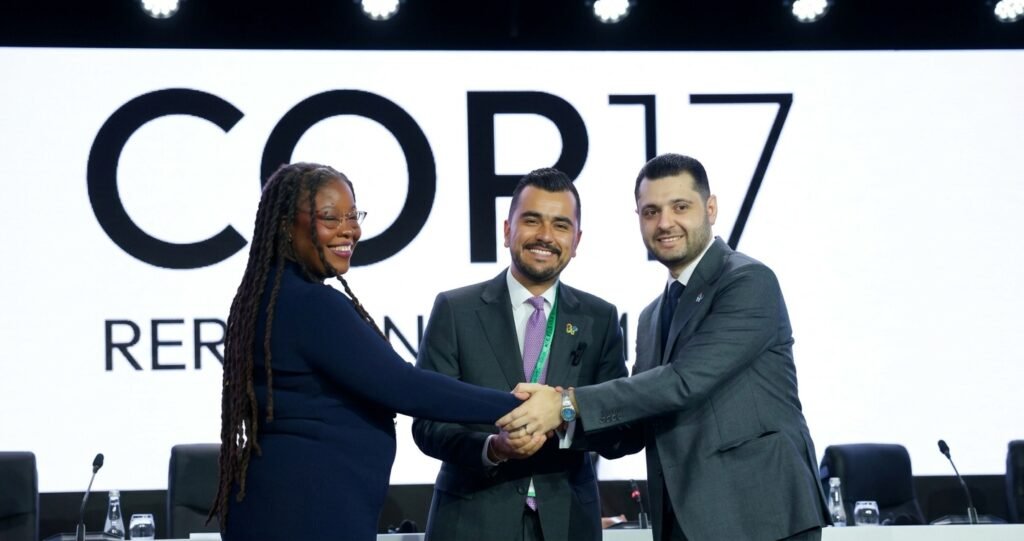
Meanwhile, Armenia and Colombia launched the Coalition of Action to Recover Endangered Species (CARES), an international initiative aimed at coordinating efforts to prevent extinctions and support the recovery of threatened species.The coalition, co-chaired by the two countries, was presented at a press conference in the COP17 Blue Zone on Sunday.
Read More: Biodiversity COP17 Opens in Armenia to Address Global Nature Loss
Aram Meymaryan, Armenia’s deputy environment minister, David Felipe Olarte Amaya, Colombia’s vice minister of environment and sustainable development, and Kira Mileham, a representative of the Reverse the Red movement, addressed the event. Mr Meymaryan stressed the need to combine scientific expertise, government leadership and practical measures to protect threatened species.
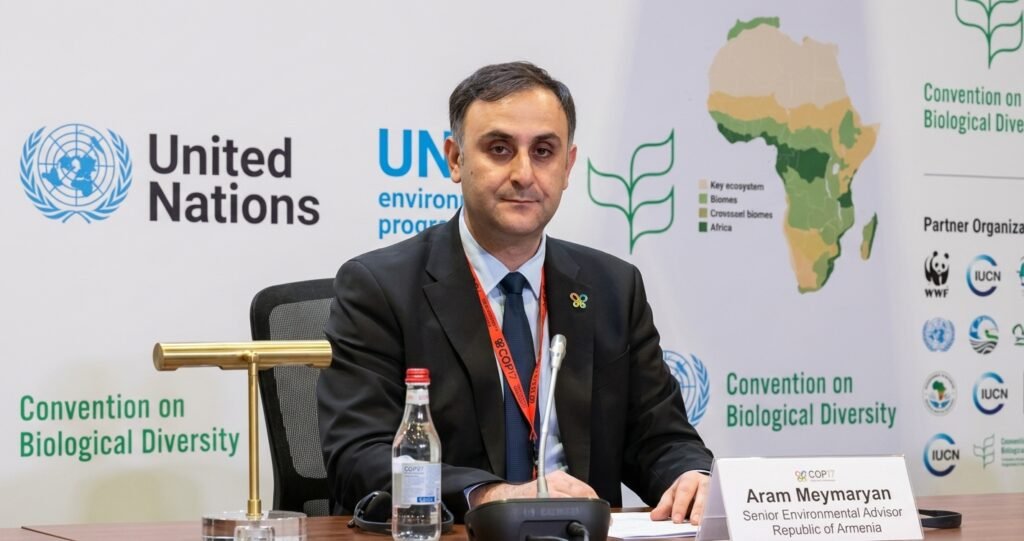
He said the coalition would facilitate the exchange of experience among countries, provide access to international expertise and help mobilise financial resources for species recovery.CARES aims to strengthen international cooperation and support the implementation of Target 4 of the Kunming-Montreal Global Biodiversity Framework, which calls for the recovery and conservation of threatened species.
In a separate initiative, a high-level panel at the Armenia Pavilion explored the role of education in biodiversity conservation and the development of sustainable food systems.
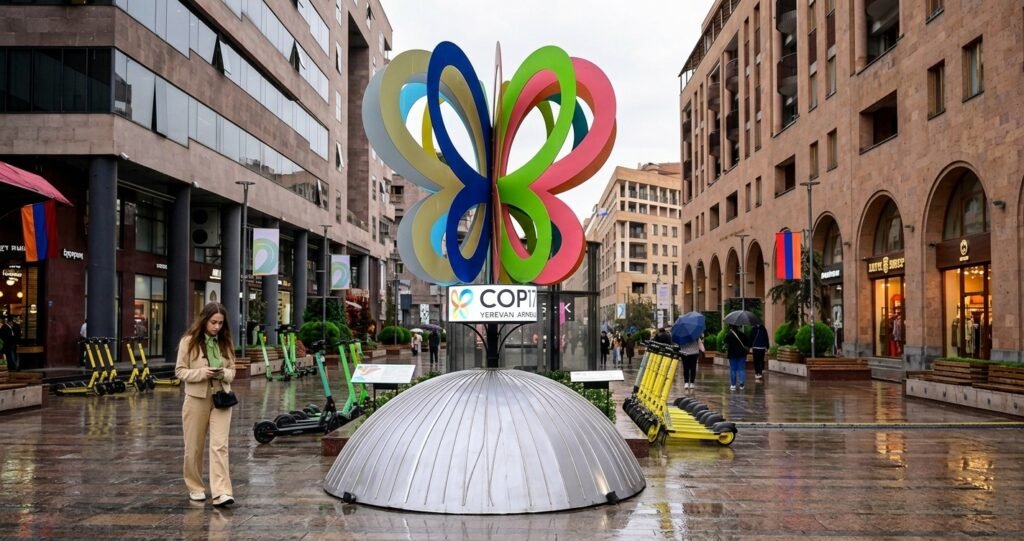
Organised by Armenia’s Ministry of Education, Science, Culture and Sports, the United Nations World Food Programme (WFP) and the School Feeding and Child Welfare Agency, the discussion examined the links between education, healthy nutrition, food security and biodiversity protection.
Opening remarks were delivered by Zhanna Andreasyan, Armenia’s minister of education, science, culture and sports, and Matthew Hollingworth, WFP deputy executive director for programme operations.
Armenia’s National School Feeding Programme was presented as an example of how school-based initiatives can support children’s well-being, promote local production and contribute to sustainable food systems.
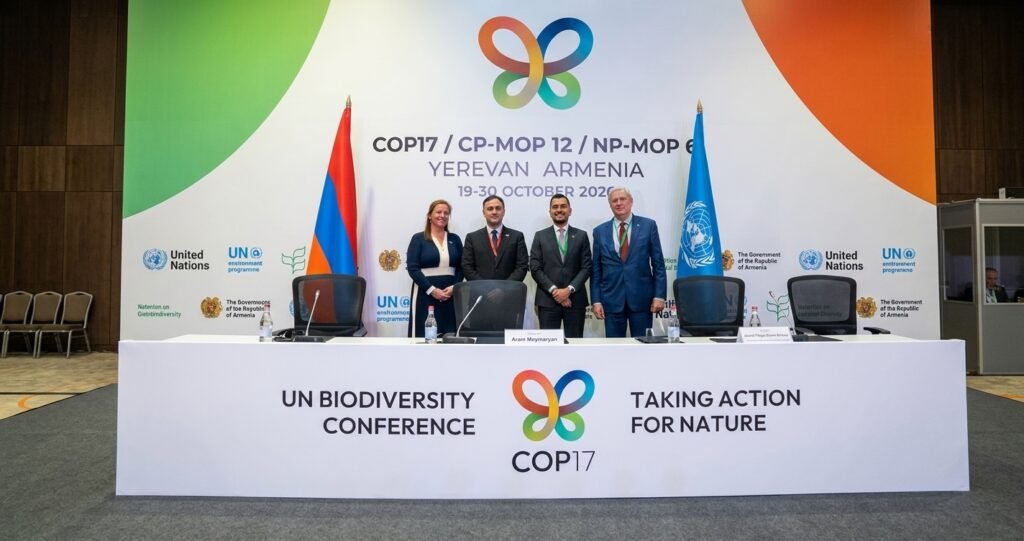
Earlier, during the opening plenary, Armenia’s Environment Minister Hambardzum Matevosyan was elected president of COP17 for a two-year term. He will facilitate dialogue and consensus-building among the parties and guide their collective efforts to advance the global biodiversity agenda.