UN warns record heat by 2030; Pakistan faces crisis
ISLAMABAD: The United Nations warned on Friday that global temperatures are likely to hit record highs before 2030, a prospect that climate experts say will intensify heatwaves, floods and water stress with grave implications for Pakistan.
A new assessment linked to the World Meteorological Organization (WMO) says there is a very high probability that at least one year between 2026 and 2030 will become the hottest on record. The projection is driven by sustained greenhouse-gas emissions and the potential return of El Niño conditions, the report said.
Scientists warned the expected rise in temperatures will increase the frequency, intensity and duration of extreme events worldwide, and accelerate Arctic warming well above the global average.
The report urged stronger global emissions cuts, faster investment in renewable energy and expanded climate adaptation measures ahead of the COP31 climate summit in Antalya, Türkiye later this year.
The findings are particularly worrying for Pakistan, one of the countries most vulnerable to climate change despite its minimal contribution to global emissions.
Experts said even modest increases in average global temperature can sharply raise the likelihood of deadly heatwaves across South Asia.
“Cities such as Jacobabad, Karachi and Lahore have already seen temperatures above 45°C in recent years,” a climate specialist noted, pointing to the disruptive 2022 heatwaves that strained power systems, cut crop yields and caused widespread heat-related illness across Pakistan and India.
The WMO-linked assessment also flagged accelerated glacier melt across the Hindu Kush–Karakoram–Himalayan region. The mountain system, known as Asia’s “water tower”, feeds major rivers including the Indus, Pakistan’s lifeline for agriculture and drinking water.
Rapid glacier loss combined with intense monsoon rains contributed to Pakistan’s devastating 2022 floods, which submerged large swathes of Sindh and Balochistan.
Scientists warn that while faster melt can initially raise river flows and the risk of glacial lake outburst floods, longer-term shrinkage threatens dry-season water supplies for millions.
Analysts say rising temperatures and changing precipitation patterns will worsen water stress, damage crops and threaten rural livelihoods.
Pakistan’s agriculture, heavily dependent on Indus-basin irrigation and predictable seasons, faces heightened risks to staples such as wheat, cotton, rice and sugarcane.
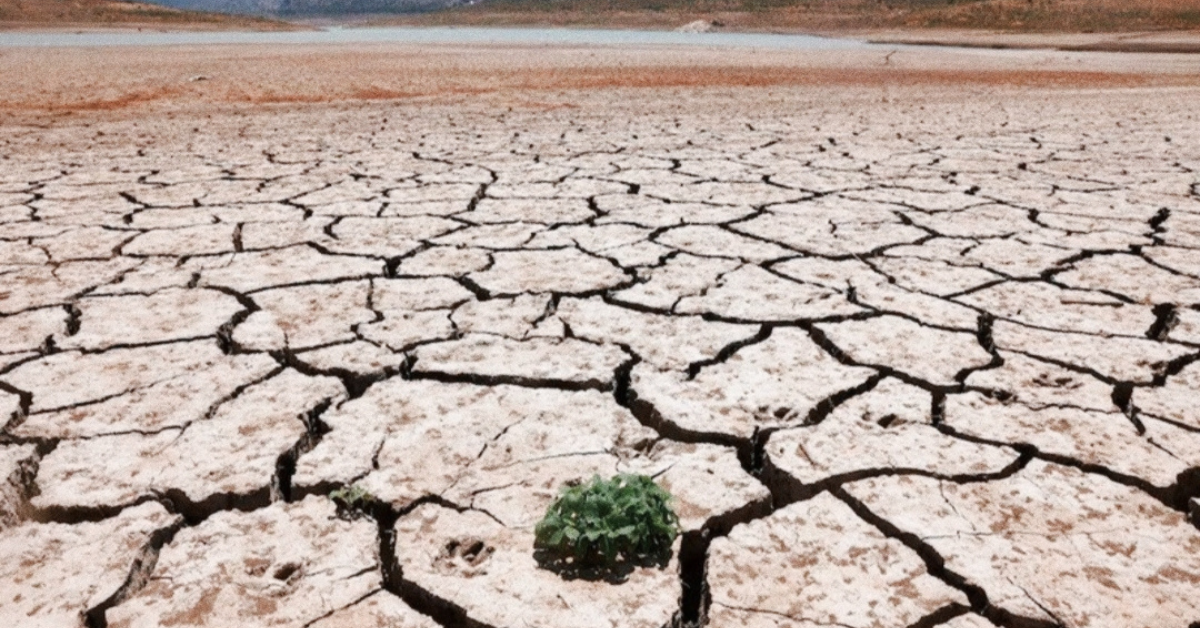
Reduced river flows, erratic rainfall and prolonged droughts in places such as Tharparkar and southern Punjab could depress yields, raise food prices and fuel internal migration to already crowded cities.
Water scarcity may also revive interprovincial disputes over allocation, experts cautioned, adding that without stronger adaptation policies, better water management and resilient farming practices, these pressures will intensify in coming decades.
The UN-linked assessment underscores the urgency for Pakistan to scale up adaptation measures, strengthen disaster preparedness and press for more ambitious global action to limit warming, observers said.