Climate Change, Plastic Pollution Threaten Pakistan’s Sea Turtles: WWF
Islamabad, July 22: Climate change, plastic pollution, ghost nets and unsustainable fishing practices are accelerating the decline of sea turtle populations along Pakistan’s coastline, according to WWF-Pakistan.
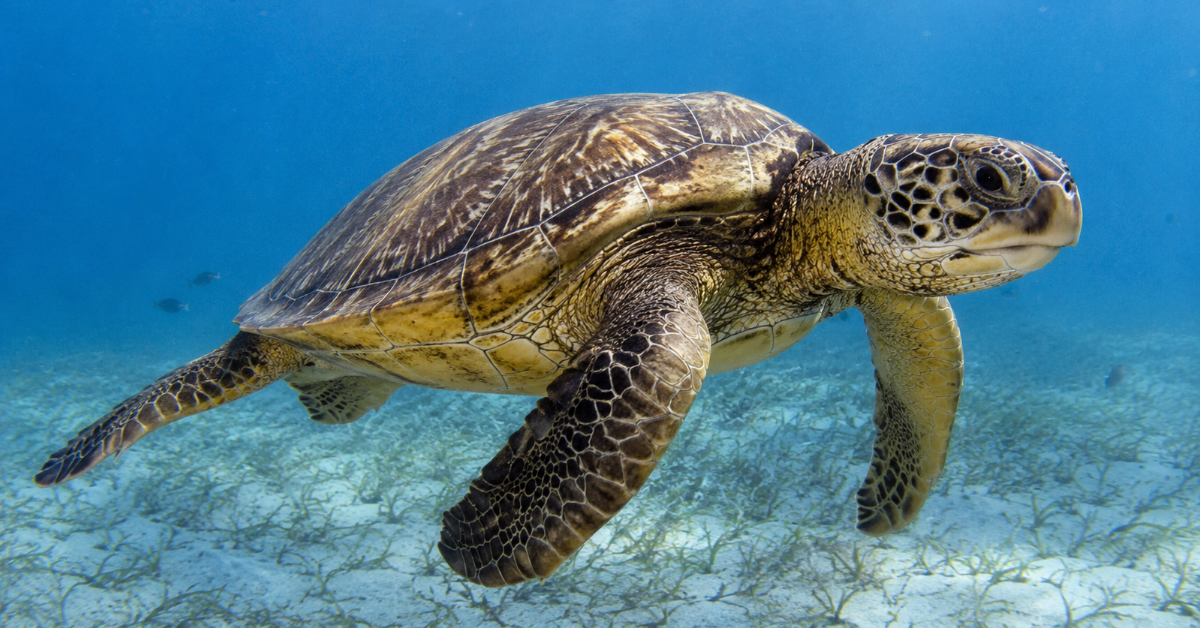
Speaking to ClimateDataBook, WWF-Pakistan’s Senior Manager Research and Conservation, Muhammad Jamshed Iqbal Chaudhry, said Pakistan’s marine waters are home to five sea turtle species: Green, Olive Ridley, Hawksbill, Loggerhead and Leatherback turtles.
Read More: Bycatch, Pollution Drive Rising Sea Turtle Deaths in Pakistan
However, he said only the Green Turtle continues to nest regularly along Pakistan’s coast. Olive Ridley nesting has become extremely rare, with no confirmed nesting records reported in recent decades.
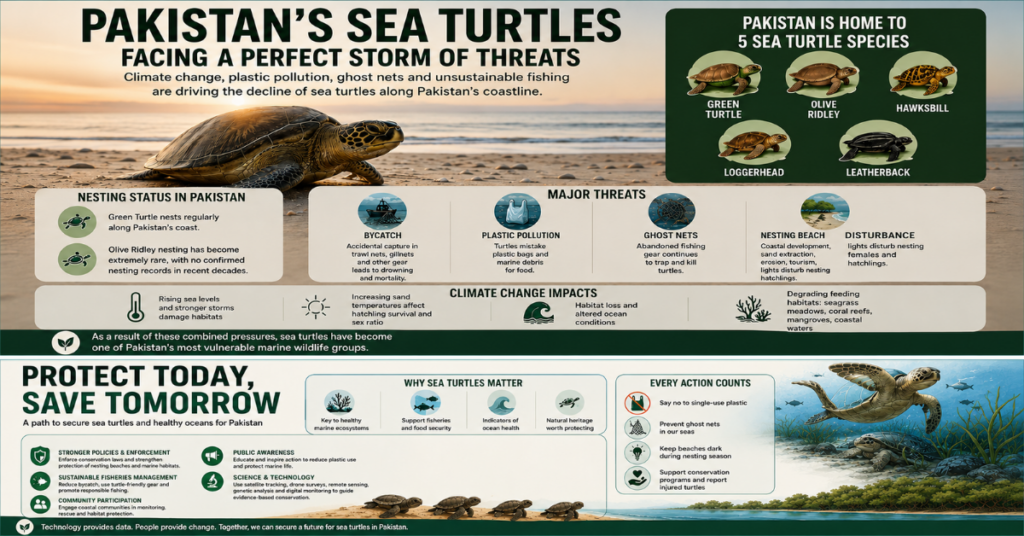
Jamshed Chaudhry said accidental capture in fishing gear remains the leading cause of sea turtle mortality. Every year, many turtles become entangled in trawl nets, gillnets and other fishing gear, preventing them from surfacing to breathe and often causing them to drown.
He also dispelled the misconception that Pakistan’s coastline has ever supported seven nesting sea turtle species, saying that historically only the Green Turtle and Olive Ridley Turtle have been recognised as regular nesting species.
Plastic pollution has emerged as another major threat, he said, with turtles frequently mistaking floating plastic bags and other marine debris for food. Abandoned fishing gear, commonly known as ghost nets, continues to trap and kill turtles long after it has been discarded.
Read More: Pakistan launches PKR 90 million project to protect sea turtles in shrimp trawling
According to Jamshed Chaudhry, nesting beaches are under increasing pressure from coastal development, sand extraction, beach erosion, tourism, artificial lighting and other human activities that disturb nesting females and disorient hatchlings.
Climate change is compounding these threats. Rising sea levels, stronger storms and increasing sand temperatures are damaging nesting habitats, reducing hatchling survival and altering the natural sex ratio of hatchlings through temperature-dependent sex determination.
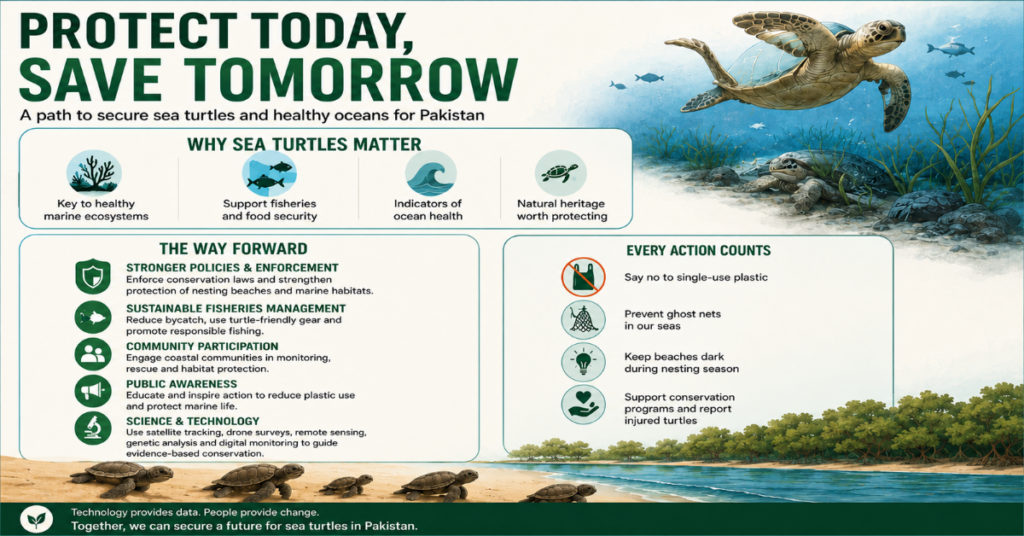
He said key feeding habitats, including seagrass meadows, coral reefs, mangrove forests and coastal waters, are also deteriorating because of pollution, habitat degradation and destructive fishing practices.
Industrial and agricultural runoff is degrading water quality, while overfishing is reducing prey availability. Changes in ocean temperatures and currents caused by climate change are further affecting food distribution.
“As a result of these combined pressures, sea turtles have become one of Pakistan’s most vulnerable marine wildlife groups,” Jamshed Chaudhry said.
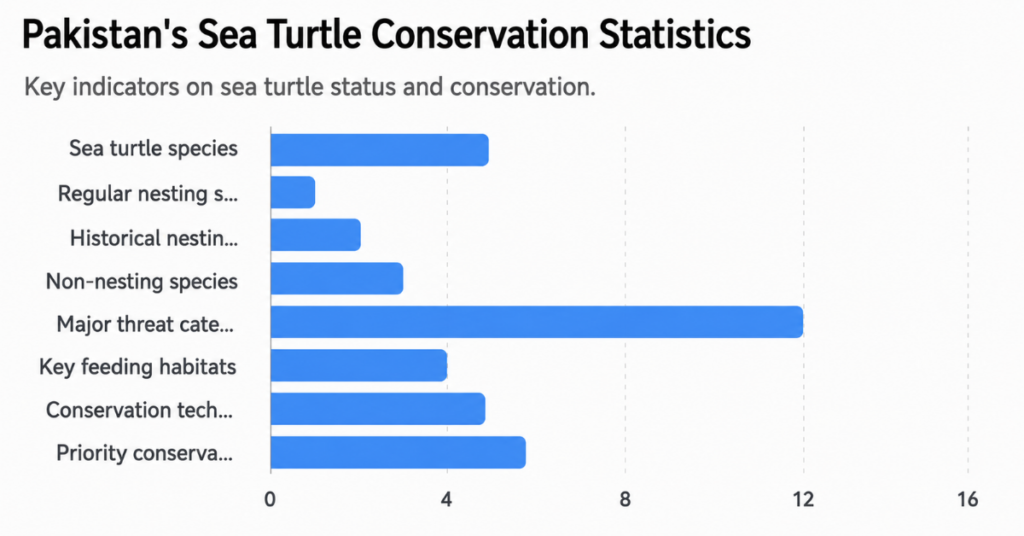
Highlighting the role of technology in conservation, he said satellite tracking, drone surveys, remote sensing, genetic analysis and digital monitoring systems are helping researchers identify critical habitats, monitor turtle movements and assess the effectiveness of conservation programmes.
Read More: Basel Convention Working Group Opens Geneva Talks on Plastic Waste
“Technology provides valuable scientific data, but it is not a standalone solution,” he said. Jamshed Chaudhry stressed that reversing the decline of sea turtle populations requires stronger environmental policies, effective enforcement of conservation laws, protection of nesting beaches and marine habitats, sustainable fisheries management, greater community participation and increased public awareness.
“Technology can strengthen conservation efforts, but long-term success depends on science-based management and coordinated action by governments, conservation organisations and local communities,” he added.