Bycatch, Pollution Drive Rising Sea Turtle Deaths in Pakistan
Islamabad, June 25, 2026 — Sea turtles along Pakistan’s Arabian Sea coast are increasingly dying from accidental capture in fishing gear, plastic pollution and habitat loss, conservationists say, raising concerns for already vulnerable populations. In response, the federal government has launched a Rs 90 million programme to install turtle-saving devices on shrimp trawl nets.
Recent turtle strandings along the Balochistan coast, including several deaths reported near Gwadar since late 2025, have highlighted growing concerns about the future of Pakistan’s marine turtle populations.“Bycatch appears to be the leading cause of turtle mortality in Pakistan’s coastal waters,” said Rahim Baloch, a PhD scholar in environmental studies.
Read More: Climate Change, Plastic Pollution Threaten Pakistan’s Sea Turtles: WWF
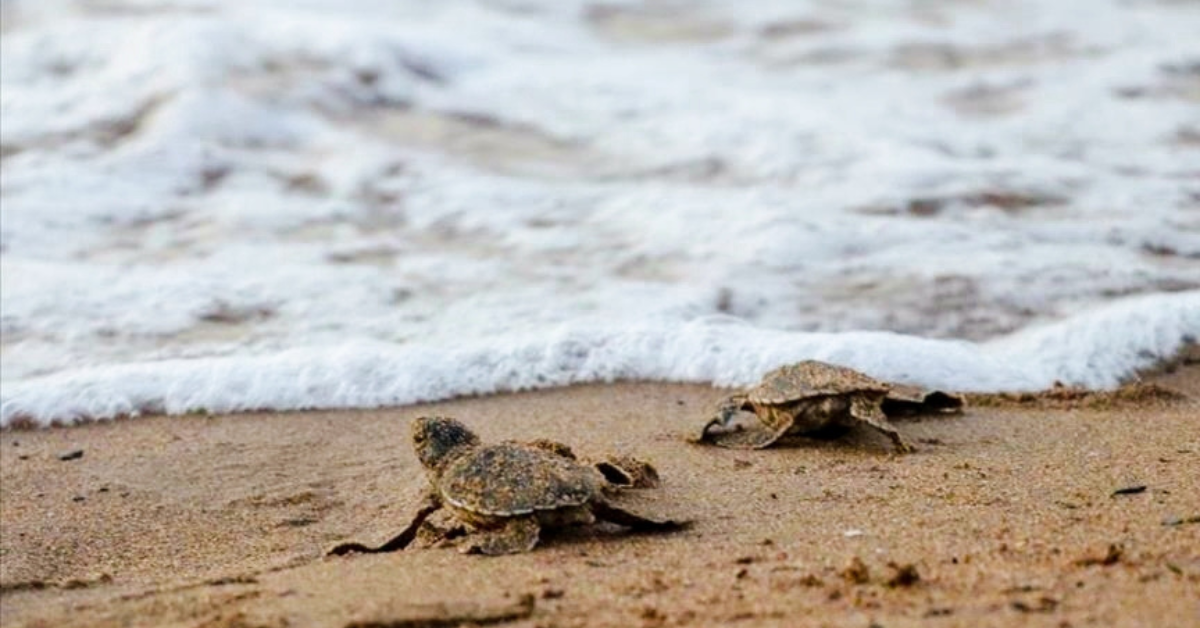
He said illegal, unreported and unregulated (IUU) fishing, ship strikes and the ingestion of plastic waste also contribute significantly to turtle deaths. Five species of sea turtles have been recorded in Pakistani waters including green, olive ridley, loggerhead, hawksbill and leatherback. However, only the green turtle (Chelonia mydas) has been consistently recorded nesting along the country’s coastline in recent decades.
The olive ridley (Lepidochelys olivacea), which historically nested at some sites, has undergone a sharp decline and may no longer nest regularly along much of Pakistan’s coast, according to researchers. Recent reviews and field observations have reported no confirmed olive ridley nesting for more than a decade in many coastal areas.
Plastic pollution has compounded the threat. Conservation groups report frequent incidents of turtles ingesting plastic bags, disposable diapers and other marine debris, which can cause suffocation, blockages and internal injuries. Unregulated coastal development and tourism have also degraded important nesting and feeding habitats, including Sandspit and Hawke’s Bay near Karachi and Taq near Ormara, reducing the species’ chances of recovery.
Read More: Pakistan launches PKR 90 million project to protect sea turtles in shrimp trawling
To address bycatch, the federal government launched a Rs 90 million programme in October 2025 to distribute and install Turtle Excluder Devices (TEDs) on shrimp trawl nets. The devices are designed to allow large marine animals, including turtles, to escape while retaining shrimp catches. The programme includes training for trawler crews, awareness workshops and monitoring to assess TED performance and impacts on shrimp catch efficiency
“Protecting marine biodiversity while supporting the fisheries sector is our priority,” Federal Minister for Maritime Affairs Muhammad Junaid Anwar Chaudhry said. He added that the initiative could also help Pakistan regain export certification for shrimp products.The Marine Fisheries Department said the programme is being implemented in collaboration with provincial fisheries authorities, seafood exporters, trawler owners and fishermen’s cooperatives.
Director General of the Marine Fisheries Department Dr Mansoor Ali Wassan said the government is also strengthening protection measures at key marine habitats, including Astola Island, an important nesting site, and Churna Island, a significant feeding area for marine wildlife.
Scientists caution, however, that technology alone will not reverse decades of population decline.“TEDs can reduce accidental captures, but without stronger enforcement of fishing regulations, expanded observer programmes and improved waste management, many of the threats facing sea turtles will persist,” Dr Wassan said.
Read More: Basel Convention Working Group Opens Geneva Talks on Plastic Waste
WWF-Pakistan Senior Manager Research and Conservation Muhammad Jamshed Iqbal Chaudhry said modern tools such as satellite tracking, drone surveys, genetic analysis and remote sensing are improving researchers’ ability to identify migration routes and critical habitats.
“These data can help inform management decisions and strengthen conservation programmes,” he said, adding that effective enforcement and habitat protection remain essential.Conservationists and government officials agree that priority actions include expanding TED installation, independently monitoring compliance and effectiveness, strengthening action against illegal fishing, restoring nesting beaches and reducing plastic pollution through improved waste management systems.
They warn that without stronger enforcement, wider adoption of turtle excluder devices and better protection of nesting habitats, Pakistan risks further declines in its remaining sea turtle populations and could lose the olive ridley as a nesting species altogether.