Uzbekistan Promotes Climate-Resilient Healthcare Systems in Central Asia
Antalya, Nov 10: Uzbekistan has called for stronger regional cooperation and investment to make healthcare systems more resilient to climate change, with a focus on protecting women, children and vulnerable communities from growing health risks.
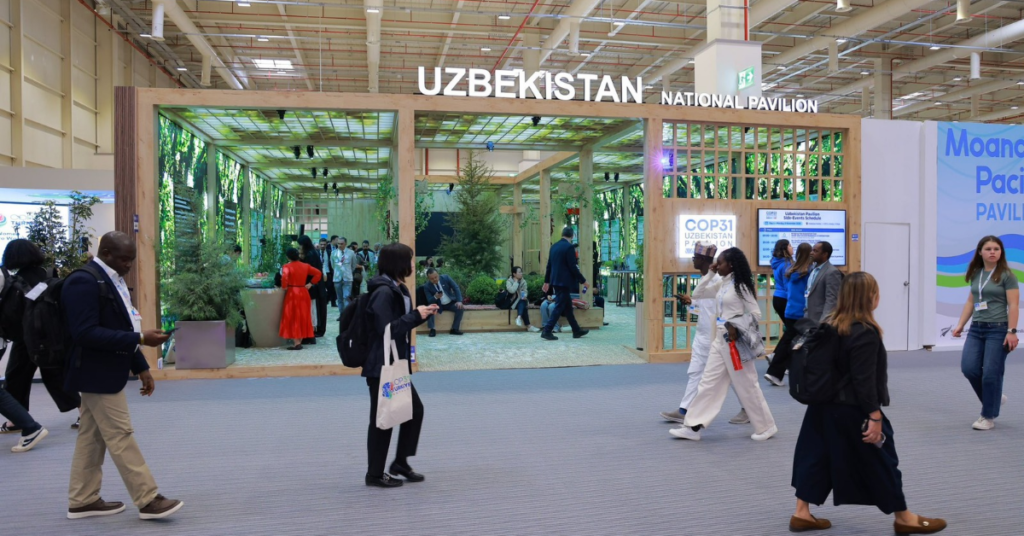
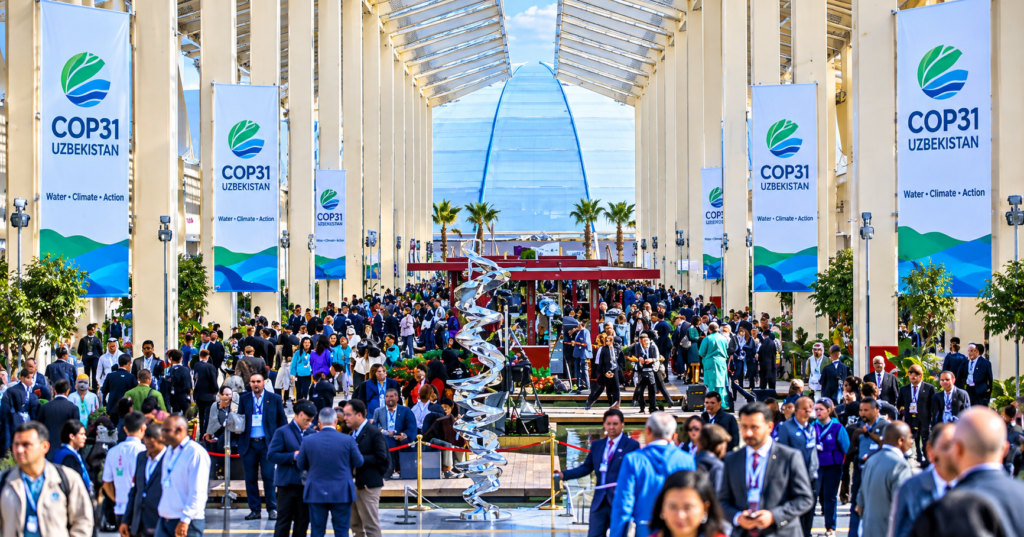
The issue was discussed at a thematic event, titled “From Climate Risks to Resilient Healthcare Systems: Financing Gender-Responsive Adaptation in Central Asia”, held at the Uzbekistan National Pavilion during the 31st United Nations Climate Change Conference (COP31) here inTürkiye.
A key outcome of the event was the signing of a memorandum of understanding (MoU) between the Global Green Growth Institute (GGGI) and the United Nations Population Fund (UNFPA) to strengthen cooperation on climate-resilient healthcare infrastructure, investment planning and institutional capacity-building.
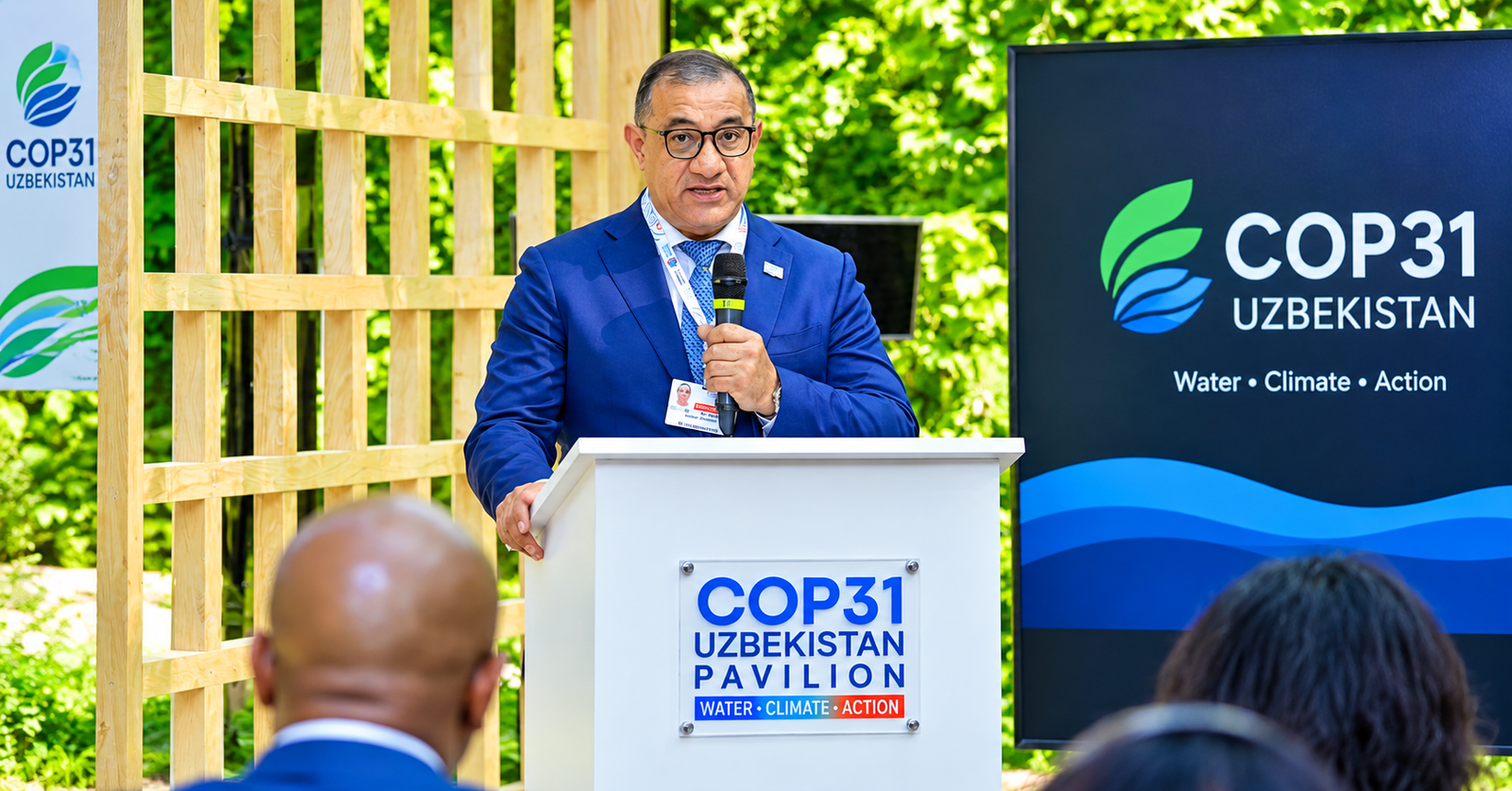
Addressing the gathering, Alisher Salomov, adviser to the chairperson of Uzbekistan’s National Committee on Ecology and Climate Change, said climate change in Central Asia was no longer merely an environmental challenge but was increasingly affecting public health, economic development and people’s well-being.
He said women, children and vulnerable communities faced heightened climate risks, underscoring the need to integrate gender-responsive adaptation into climate policies and investment strategies.Highlighting the situation in the Aral Sea region, Mr. Salomov said the continuing environmental crisis was affecting people’s health and quality of life.
Read More: COP31 Opens in Türkiye As 150+ Experts Call for Ocean-Centred Climate Action
He stressed the importance of cooperation with GGGI and UNFPA to develop climate-resilient maternal healthcare services and support women’s livelihoods in Karakalpakstan. Across Central Asia, rising temperatures, prolonged heatwaves, declining water resources and changing agricultural conditions are increasing public health risks. Women, adolescent girls and rural populations are particularly vulnerable, especially in terms of maternal and reproductive health, access to healthcare and the resilience of medical infrastructure.
At the event, GGGI and UNFPA presented a joint approach combining expertise in population policy, maternal health, gender equality, green growth, climate finance and resilient infrastructure.The proposed initiatives include a programme in the Kyrgyz Republic to ensure the continuity of emergency medical services during climate-related shocks.
In Uzbekistan, a climate-resilient maternal healthcare model is being developed for Karakalpakstan, alongside measures to support women whose livelihood opportunities have been affected by environmental changes in the Aral Sea region.
During a panel discussion, government representatives from Uzbekistan and other Central Asian countries, along with officials from GGGI, UNFPA and international financial institutions, discussed ways to mobilise investment for healthcare infrastructure, incorporate climate and gender considerations into national adaptation plans, strengthen community resilience and expand digital healthcare solutions.
Under the MoU, the two organisations will seek to advance cooperation on climate-resilient healthcare infrastructure, investment project development, institutional capacity-building and digital solutions. The agreement also envisages incorporating demographic considerations into development and adaptation planning.