COP31 Opens in Türkiye As 150+ Experts Call for Ocean-Centred Climate Action
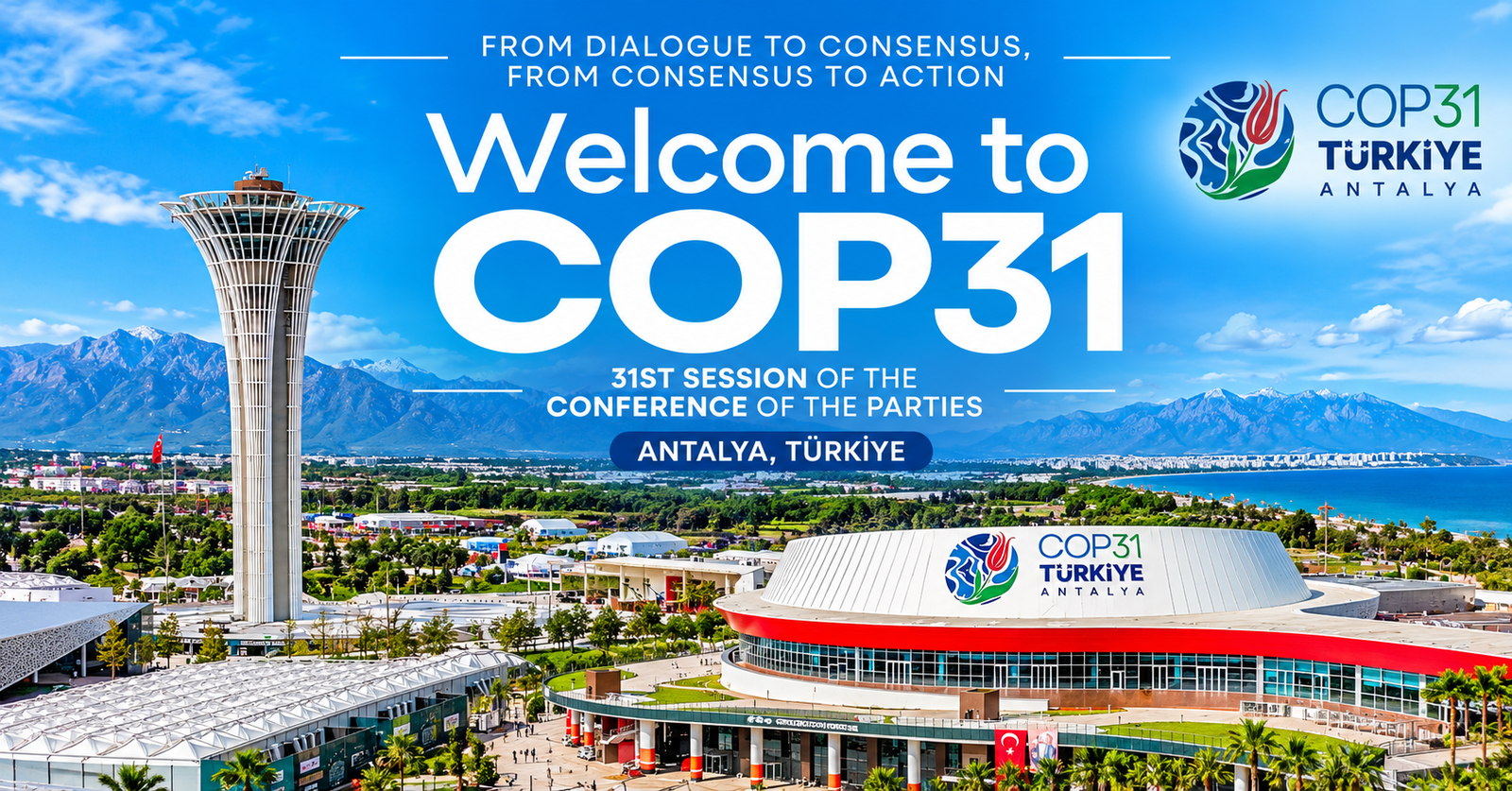
The 31st United Nations Climate Change Conference (COP31) opened in Antalya, Türkiye, on November 9, amid calls from more than 150 global experts and leaders to put oceans at the centre of climate action, strengthen coastal resilience and mobilise finance for ocean-based solutions.
Under the theme “From Dialogue to Consensus, From Consensus to Action”, the Turkish presidency has presented COP31 as “The COP of the Future”, with an emphasis on moving beyond political pledges towards measurable implementation.
The ocean’s role in the global climate system has also prompted more than 150 experts and leaders to urge the incoming COP31 leadership, comprising Türkiye as host, Australia leading the negotiations and the Pacific Islands Forum Secretariat, to make the conference a turning point for ocean-based climate action.
Read More: Global Eyes on Belém as COP30 Seeks Climate Solutions
In an open letter addressed to the COP31 leadership and Brazil’s outgoing COP30 presidency, the signatories have called for a stronger integration of ocean priorities into international climate negotiations, national climate plans and climate finance arrangements.
The appeal comes as the ocean absorbs more than 90 per cent of excess heat trapped by greenhouse gas emissions and captures about a quarter of global carbon dioxide emissions. It also supports billions of people through fisheries, food supplies, maritime trade and coastal livelihoods.
Despite its contribution to regulating the global climate, the ocean remains inadequately represented in climate negotiations and financing mechanisms, according to the signatories. The issue is particularly important for developing countries whose economies and food systems depend heavily on marine resources.
Read More: Fire at COP 30 Venue Reminds of Global Wildfire Management Gaps
Their conservation and restoration can therefore contribute simultaneously to climate adaptation, mitigation, biodiversity protection and livelihood security. However, ecosystem restoration alone cannot ensure coastal resilience. Maintaining environmental flows, improving fisheries management, controlling marine pollution, strengthening coastal infrastructure and investing in vulnerable communities are equally important.
Pakistan’s maritime economy provides another reason to bring ocean-related priorities into national and international climate policies. Karachi Port, Port Qasim and other maritime facilities underpin international trade, while fisheries and associated industries contribute to food supplies, exports and employment.
Climate-related disruptions to ports, shipping routes and coastal infrastructure could affect economic activity well beyond coastal areas. Conversely, cleaner maritime transport, offshore renewable energy and sustainable marine industries offer opportunities to reduce emissions while supporting economic development.
Read More: Global Methane Pledge Gains Momentum Ahead Of COP30
The open letter argues that scaling up ocean-based climate solutions, including cleaner shipping, offshore renewable energy, sustainable blue foods and the protection of blue carbon ecosystems, could contribute up to 35 per cent of the emissions reductions needed to meet the Paris Agreement’s climate goals.
Realising this potential, however, would require substantial investment, technology transfer, international cooperation and supportive national policies. The call for a Blue COP is aimed at recognising the ocean as an integral component of climate mitigation, adaptation and finance rather than treating it primarily as a conservation issue.
Brazil’s COP30 presidency made some progress in this direction by incorporating oceans into the World Leaders Summit, identifying oceans and coasts as a thematic pillar of its Action Agenda and convening the first High-Level Ocean Ministerial. The challenge for COP31 is to translate this political recognition into concrete commitments and implementation.
The signatories have proposed a dedicated ocean theme at the World Leaders Summit, a high-level ministerial meeting, stronger representation of ocean priorities in negotiations on mitigation, adaptation and finance, and the appointment of ocean focal points within key climate institutions.
Such measures are intended to address the fragmentation of ocean-related issues across different international negotiating processes, which often complicates coordination, limits access to financing and makes progress difficult to assess. Integrating ocean priorities into existing climate mechanisms could also strengthen the participation of small island developing states and other vulnerable coastal countries in decisions affecting their economies and communities.
For Pakistan, COP31 presents an opportunity to connect its climate commitments more closely with maritime development priorities. Mangrove conservation, coastal adaptation, sustainable fisheries, marine pollution control and climate-resilient port infrastructure could form important elements of this approach.Access to climate finance will be critical.
Coastal adaptation and marine ecosystem restoration require sustained investment, while their benefits extend across sectors and generations. Developing countries therefore need accessible financing, technical assistance and international partnerships to implement these measures without creating additional unsustainable financial burdens.
Stronger cooperation between Pakistan’s maritime and climate institutions, scientific organisations and international research initiatives could also improve ocean observation, marine biodiversity monitoring, blue carbon accounting and coastal risk assessment. Reliable data would help policymakers identify vulnerabilities, direct investment and measure the effectiveness of adaptation measures.
However, elevating oceans in the climate agenda must not divert attention from the need for rapid reductions in fossil fuel emissions. The ocean’s capacity to absorb heat and carbon is not an unlimited buffer against continued greenhouse gas emissions. Marine ecosystem protection and ocean-based renewable energy must therefore complement, rather than replace, economy-wide decarbonisation.
With geopolitical tensions and rising energy demand adding to the challenges facing international climate cooperation, COP31 will be an important test of whether governments can translate commitments into measurable results.
For Pakistan and other coastal developing countries, the stakes extend beyond environmental protection to economic security, food systems, coastal livelihoods and the future of maritime development.The outcome in Antalya will help determine whether oceans become a more central part of global climate governance or remain an underrepresented priority in international climate action.