Pakistan Seeks Glacier Research, Fair Climate Finance and Greener Transport at COP31
Antalya, Nov 10: Pakistan has called for stronger international cooperation on glacier research, fairer distribution of climate finance and the development of sustainable transport systems to address the growing challenges of climate change.
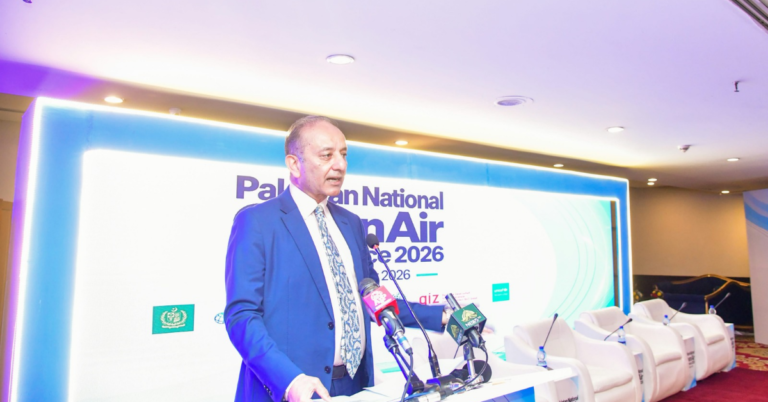
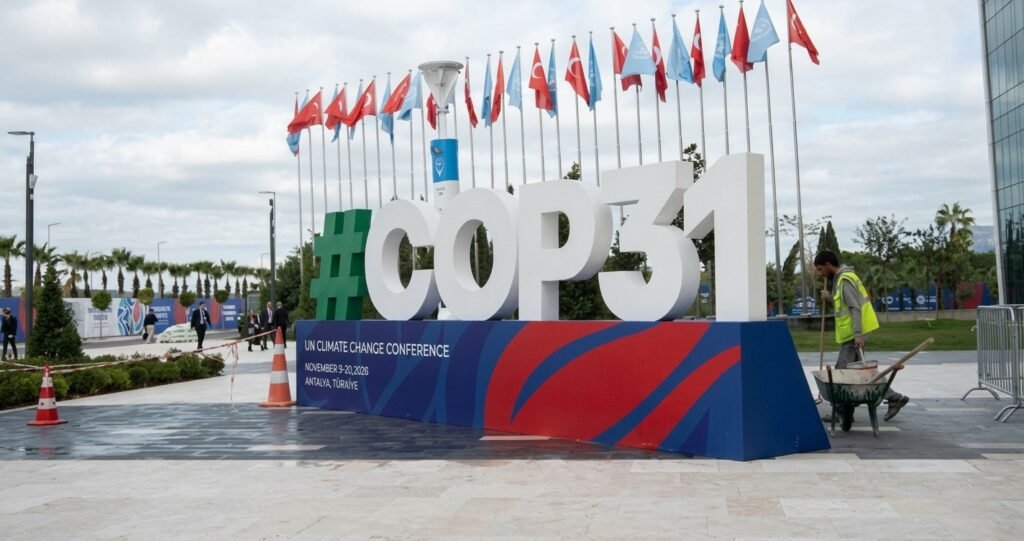
Speaking at the UN Climate Change Pavilion at COP31 in Antalya, Federal Minister for Climate Change Musadik Malik said mountainous regions were among the first to experience the impacts of climate change, making joint scientific research into glaciers and glacial lake outburst floods (GLOFs) increasingly important, according to an official statement.
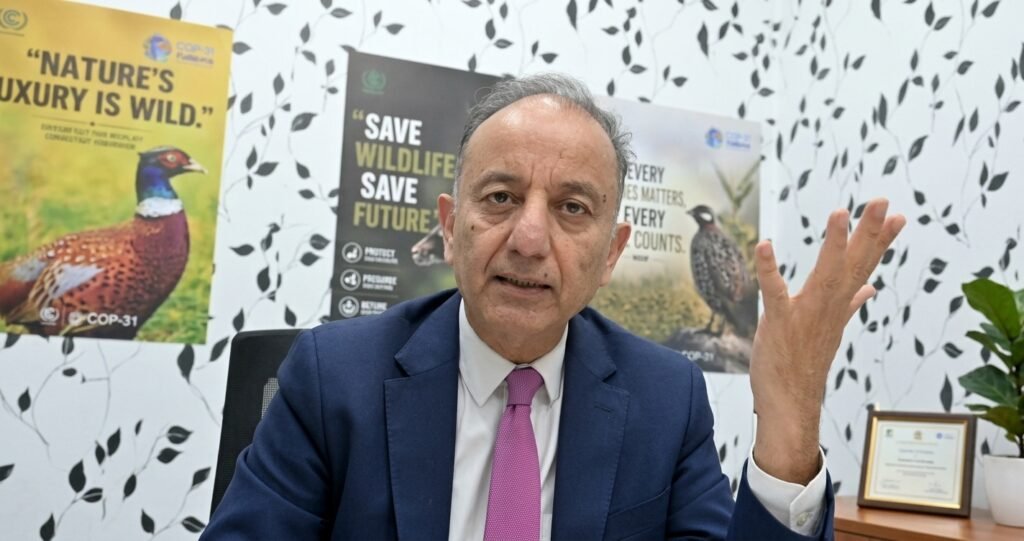
He said more than 13,500 glaciers had been identified in Pakistan, warning that the risk of glacial lake outburst floods was increasing. Glacier melt threatened the homes and livelihoods of thousands of people, he added. Malik said Pakistan contributed less than one per cent of global greenhouse gas emissions but remained among the countries most severely affected by climate change, facing increasingly frequent floods, extreme heat and glacial disasters.
He called for a fairer distribution of climate finance, stressing that developing countries needed timely financial support to address climate-related risks rather than allowing resources to remain concentrated among major emitting nations. The minister also proposed establishing a Green Virtual University to promote international research and cooperation.
Read More: COP31 Opens in Türkiye As 150+ Experts Call for Ocean-Centred Climate Action
He said scientific studies in mountainous regions could help assess climate risks in plains and polar regions, adding that countries needed to move beyond declarations and translate commitments into practical cooperation.”Climate change is not merely an environmental issue; it is a matter of human lives,” Malik said, emphasising that climate justice was essential for meaningful international cooperation.
Separately, Federal Minister for Communications Abdul Aleem Khan reaffirmed Pakistan’s commitment to reducing carbon emissions from global supply chains and promoting sustainable freight transport while addressing the Global Green Freight Corridors Initiative at COP31, according to another official statement.
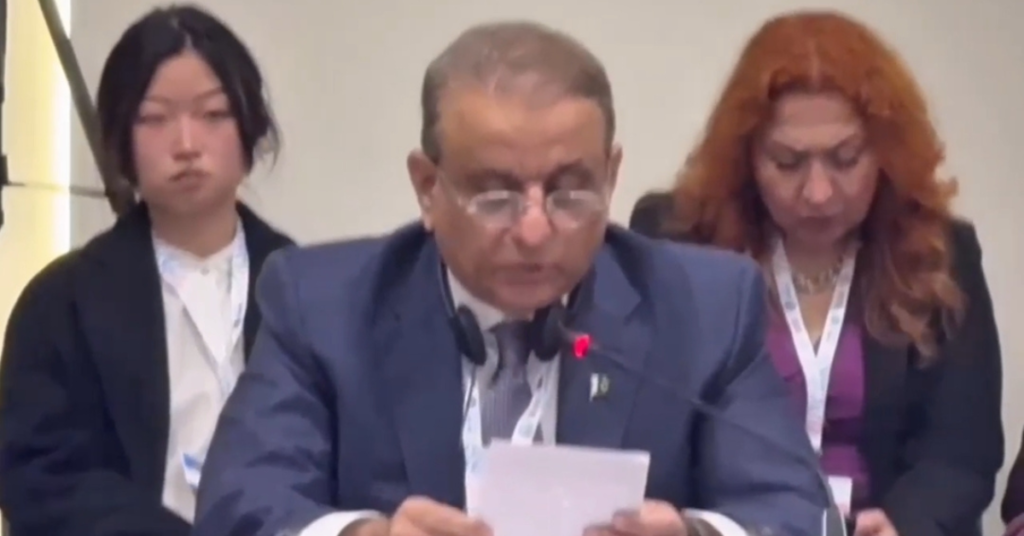
He said economic growth and environmental protection could reinforce each other, adding that global climate commitments needed to be translated into practical, cross-border initiatives.Khan highlighted Pakistan’s strategic position as a regional trade link connecting China, Central Asia and the Middle East.
He said the country was working to make its transport and logistics infrastructure more sustainable through greater reliance on rail freight, digital systems and cleaner road transport.Under the National Rail Plan 2026, Pakistan aims to increase rail’s share in freight transportation to 20 per cent.
The minister also announced plans to establish 3,000 electronic stations along highways at intervals of 50 kilometres. He said Pakistan’s transit volumes had increased by 200 per cent under the United Nations TIR Convention. The country was also pursuing paperless international logistics through the Pakistan Single Window and eTIR systems.
Khan described the M-6 motorway and the upgradation of the Main Line-1 (ML-1) railway as important projects for developing a more sustainable economy.He reaffirmed Pakistan’s support for all four pillars of the Global Green Freight Corridors Initiative and invited international partners to collaborate on developing pilot green freight corridors in Pakistan.
The minister thanked Türkiye’s Minister of Transport and Infrastructure, Abdulkadir Uraloğlu, for hosting the forum. Uraloğlu welcomed Khan and expressed solidarity with Pakistan.