SB64 Bonn talks expose deep finance gaps ahead of COP31
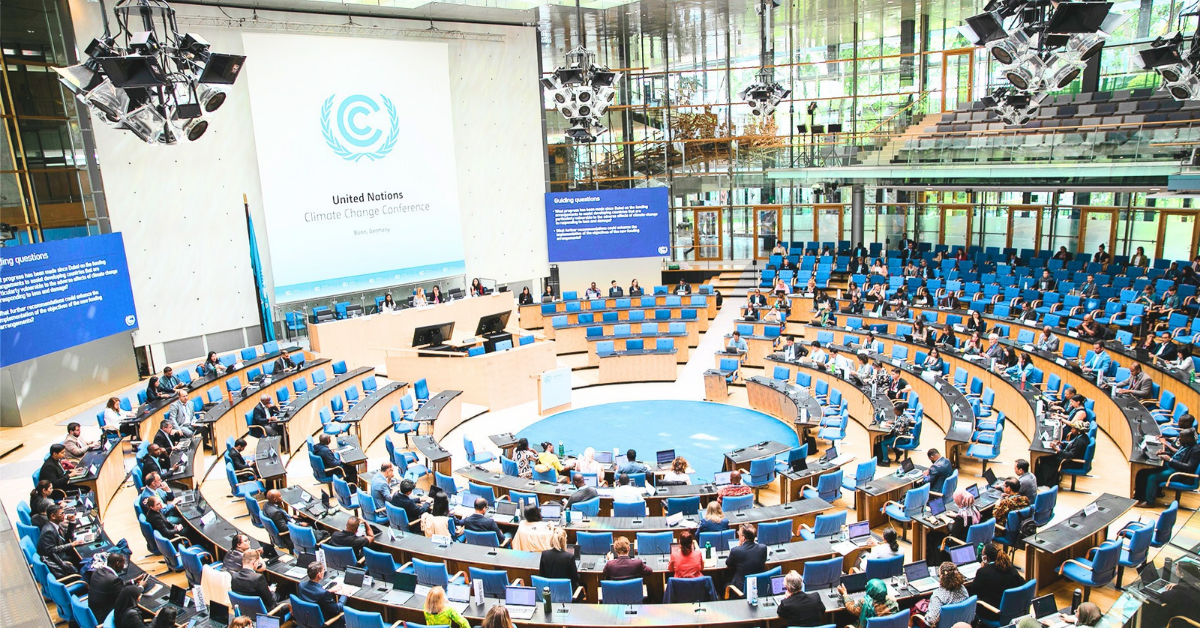
The 64th session of the UN Framework Convention on Climate Change (UNFCCC) Subsidiary Bodies (SB64) concluded in Bonn after two weeks of negotiations aimed at advancing technical work and preparing for political decisions at COP31 later this year.
Nearly 200 Parties to the UNFCCC, plus observers, scientists, civil society and financial institutions, took part in the principal mid‑year forum of the UN climate process. Delegates focused on translating past commitments into practical implementation frameworks, with climate finance emerging as the dominant issue across nearly all negotiating tracks.
Progress on technical issues was reported, but deep divisions persisted between developed and developing countries over financial support, adaptation implementation and responsibility for delivering the Paris Agreement’s goals.Climate finance dominated discussion, reflecting growing concern among developing countries about the gap between ambition and available resources.
Developing‑country blocs including the G77 and China, the African Group, the Least Developed Countries (LDCs) and Small Island Developing States (SIDS) said insufficient finance continues to constrain mitigation, adaptation and resilience building. Many delegations said the success of future Nationally Determined Contributions (NDCs) will depend on increased access to predictable, grant‑based and concessional financing.
Developed countries pushed for mobilizing a broader range of public and private investment. They warned that relying solely on grants would not unlock the scale of capital needed for global transitions. The conference highlighted stark shortfalls.For example, Pakistan’s estimated annual climate finance need of $15–20 billion far exceeds current inflows, leaving a persistent gap that undermines development and resilience.
Disagreements persisted over the scale, accessibility and accountability of finance flows, a major political challenge likely to carry into COP31. A principal objective at SB64 was supporting countries as they prepare the next round of NDCs, expected to be strengthened in line with the first Global Stocktake completed under the Paris Agreement.During the Annual Global Stocktake Dialogue, delegates explored how Stocktake findings can be translated into more ambitious national plans.
Discussions stressed accelerating emissions reductions, strengthening resilience and improving implementation mechanisms.Many developing countries reiterated barriers to implementation, including limited finance, technology access and institutional capacity, and warned that without stronger international support, more ambitious targets will be hard to meet.Adaptation was one of the most active negotiating areas in Bonn.
Delegates continued work on the Global Goal on Adaptation (GGA), including refining indicators under the UAE Framework for Global Climate Resilience agreed at COP28.Negotiators debated methods for assessing adaptation progress, resilience building and support needs at national and global levels. Developing countries argued indicators must reflect support received and unmet needs, while some developed delegations emphasized outcome‑focused methodologies.
Work under the Just Transition Work Programme shifted from concept toward implementation, with talks on financing workforce transitions, supporting affected industries and bolstering institutional capacity. Debates continued over how responsibilities should be shared and how international support should be integrated into national development strategies.Discussions on phasing down fossil fuels remained politically charged. No major new decisions emerged, but delegates examined pathways to implement earlier COP commitments on energy transition, emissions reductions and decarbonization.
Negotiations reflected varying national circumstances, many countries stressed balancing climate goals with energy security, economic development and poverty reduction, meaning the pace and financing of transitions will remain contentious at COP31.Technical work on Article 6 of the Paris Agreement, governing international carbon markets and cooperative approaches, continued alongside talks on agriculture, transparency frameworks, technology transfer, gender‑responsive action and mountain ecosystems.Trade‑related climate measures gained attention in side events, particularly carbon border adjustment mechanisms, industrial decarbonization and impacts on competitiveness.
While trade remains outside the formal core of UN climate negotiations, its growing salience reflects the intersection between climate policy and global economic governance.SB64 produced incremental technical progress rather than major political breakthroughs. Delegates advanced work programmes and narrowed some technical differences, but substantial disagreements remain over climate finance, adaptation support, implementation roles and the means to achieve global climate goals.
For many observers, Bonn underscored a broader shift in the international process, after years of setting targets and announcing commitments, focus is increasingly on implementation, accountability and delivery. The outcomes of SB64 are expected to shape COP31 negotiations, where governments will face mounting pressure to show tangible progress on finance, adaptation, emissions reductions and the low‑carbon transition.