Musadik Malik Links Climate Change, Transboundary Water Control to Global Injustice
BRUSSELS, Jun 19, 2026 — Pakistan has called for urgent global action on climate and transboundary water governance, arguing that the world’s water crisis is fundamentally an issue of justice rather than scarcity.
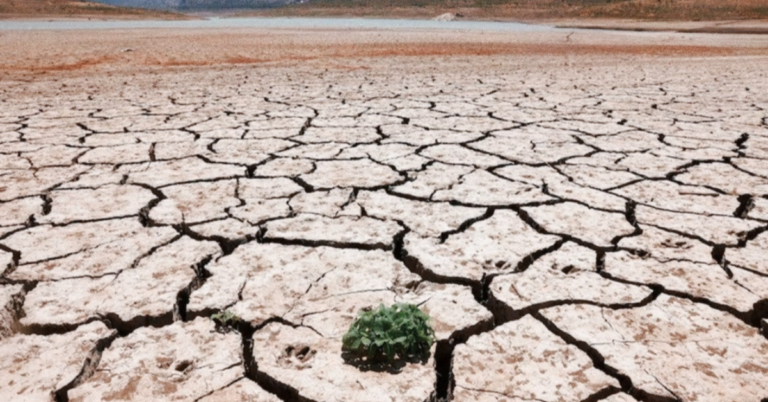
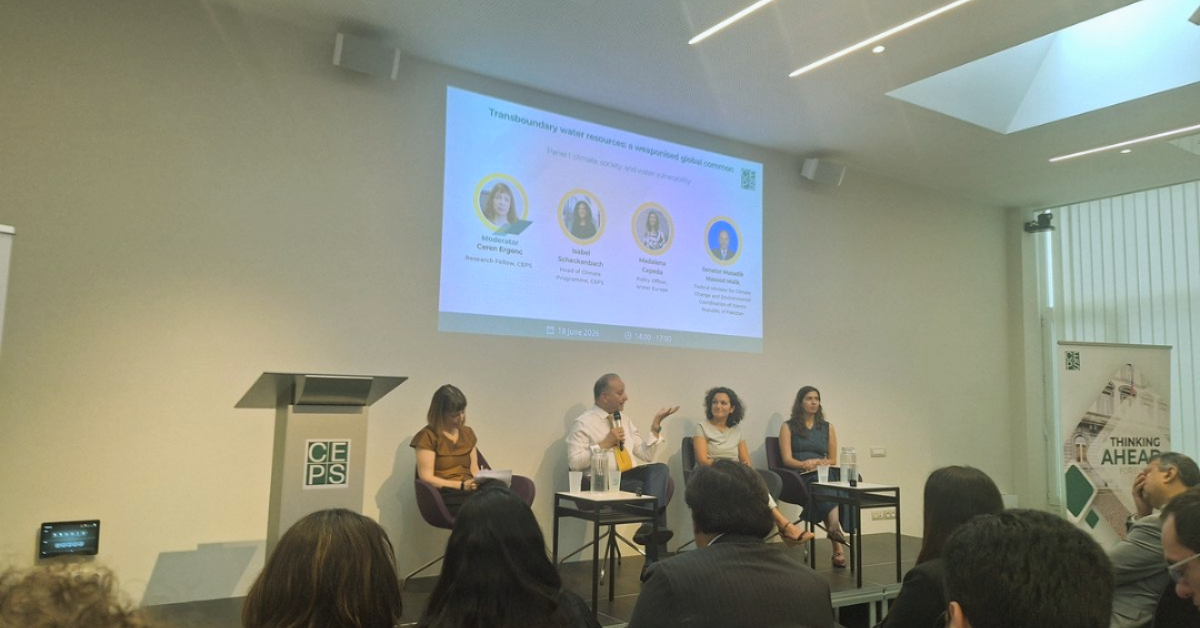
Speaking at a seminar in Brussels, Federal Minister for Climate Change Dr Musadik Malik said vulnerable communities are increasingly bearing the combined impacts of climate change and upstream control of shared river systems, leaving them exposed to floods, droughts, and long-term displacement.
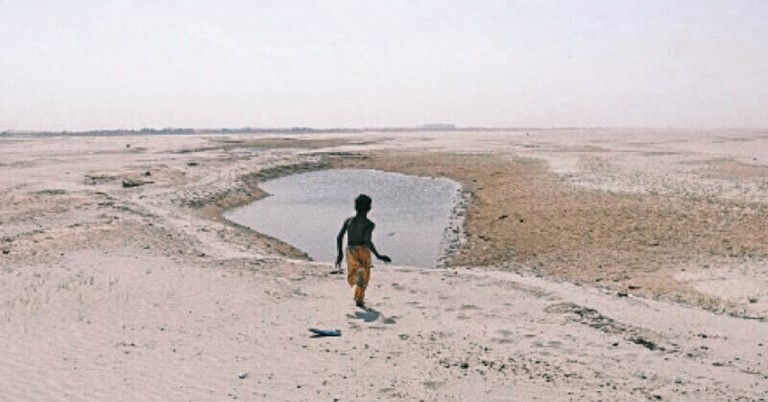
He stressed that water insecurity is often driven by decisions made beyond affected communities’ control, turning a natural resource challenge into a question of fairness, accountability, and international governance.Dr Malik recounted the case of farmer Iqbal Solangi, who lost seven generations of farming after repeated floods and droughts, was displaced to an urban area, and whose children dropped out of school.
He said Solangi’s experience reflects a broader global challenge in which vulnerable populations bear consequences of decisions they had no role in making. “If someone else decides when he’s going to be inundated and when he’s going to starve, then it doesn’t become a problem of water; it becomes a problem of justice,” he said.
He pointed to similar pressures in Bangladesh and elsewhere, and described a “double bind” for climate-vulnerable countries: major carbon emitters drive warming, glacier melt and extreme weather, while upstream control of water resources adds pressure on downstream communities.
He noted that three countries account for 56% of global CO2 emissions, and that Pakistan, with about 220 million people, produces less than 1% of emissions.Referring to Pakistan’s climate-related losses, Dr Malik said roughly 6,000 people had died over the past 15 years, about 19,000 had been injured or disabled, and an estimated 1.8 billion school days had been lost.
He linked climate change with transboundary water management, citing sharp unexplained fluctuations in flows on the Chenab River as evidence of upstream interference.He said the issue extended beyond the Indus Waters Treaty to the wider principle of a rules-based international order and urged academics, policymakers and international institutions to speak against injustice in climate governance and transboundary water management.
He stressed Pakistan’s concerns were not directed at ordinary people across the border, and called for dialogue, multilateral engagement and negotiated solutions rather than unilateral approaches.