Indigenous Leaders Urge Recognition of Traditional Territories at COP17
Islamabad, Oct 20: Indigenous leaders and international conservation organisations have called for the formal recognition of Indigenous and Traditional Territories (ITTs) as part of global efforts to protect biodiversity and meet international conservation targets.
Read More: Biodiversity COP17 Opens in Armenia to Address Global Nature Loss
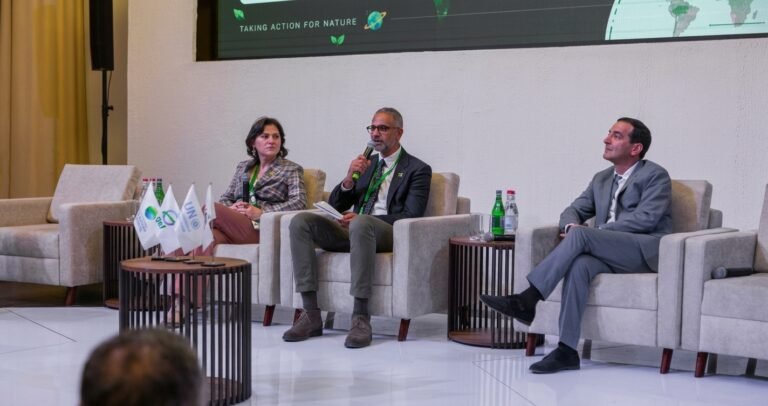
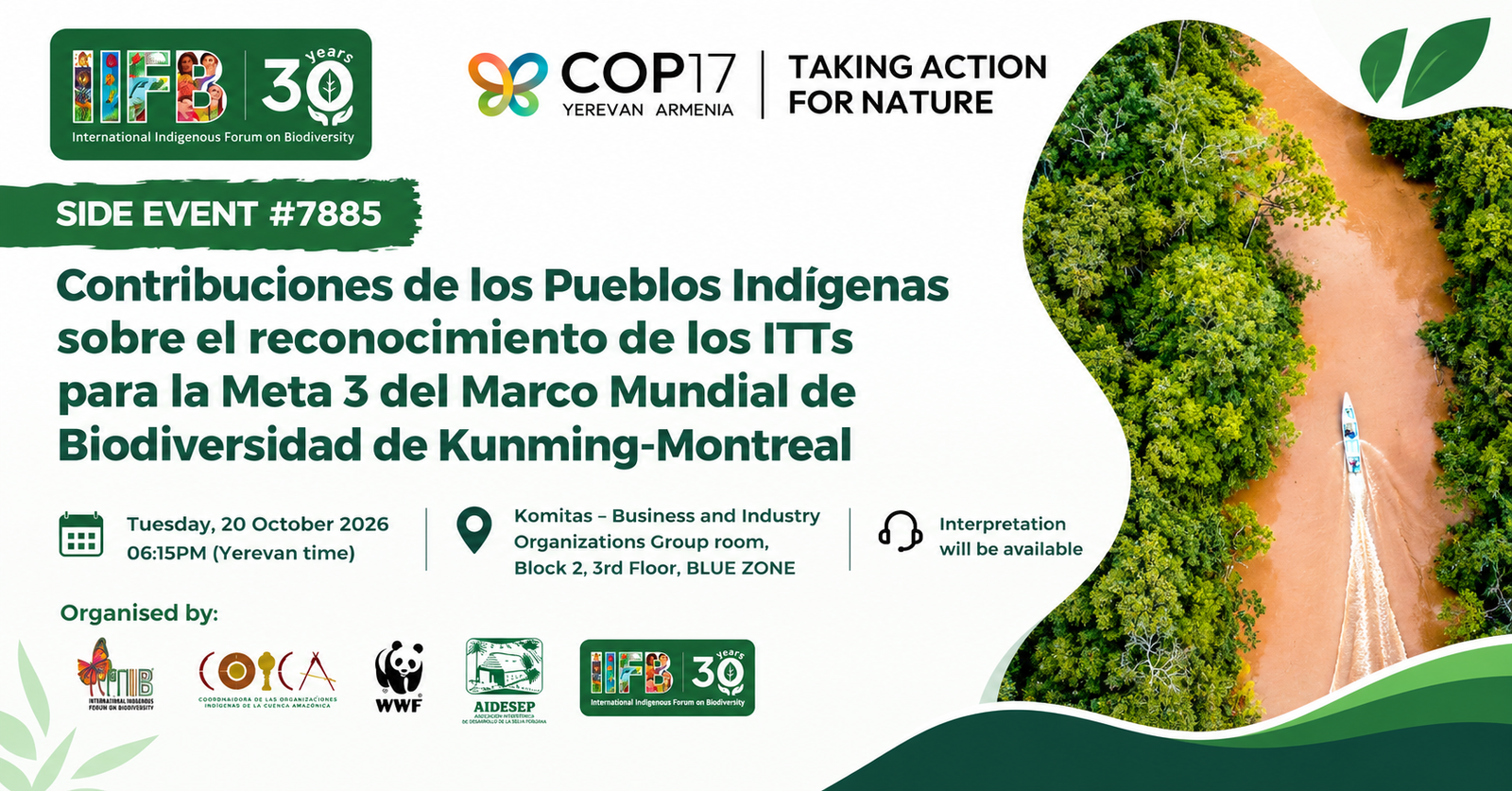
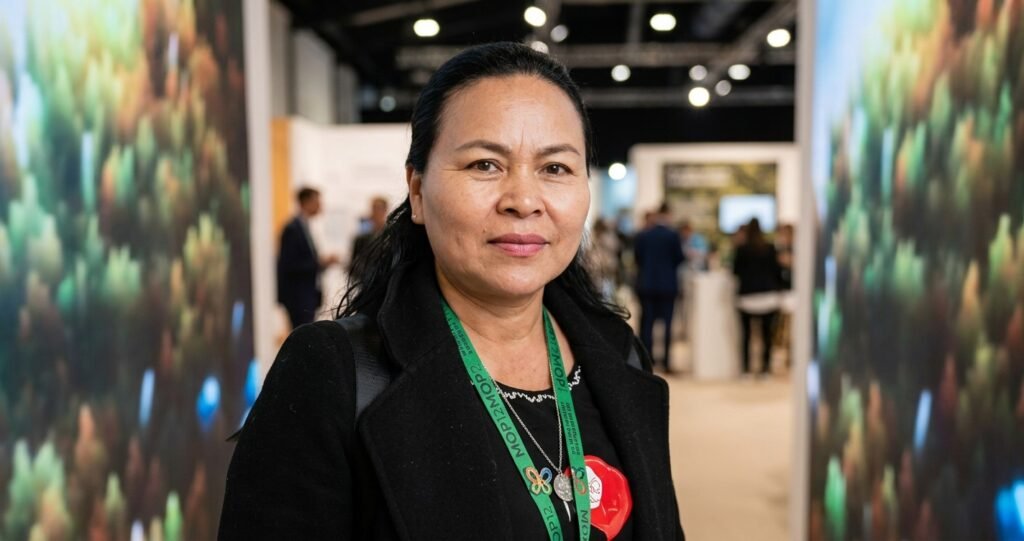
Speaking to ClimateDataBook by phone, Tabea Casique Coronado, a representative of the Interethnic Association for the Development of the Peruvian Rainforest (AIDESEP), said a high-level side event at the UN Biodiversity Conference (COP17) in Yerevan, Armenia, highlighted the role of Indigenous communities in achieving Target 3 of the Kunming-Montreal Global Biodiversity Framework.
Known as the “30×30” target, it calls for the effective conservation of at least 30 per cent of the world’s terrestrial, inland water, coastal and marine areas by 2030. Participants stressed that these goals would be difficult to achieve without legal recognition and protection of Indigenous lands and the integration of customary territories into conservation strategies.
Read More: COP17 Reviews Biodiversity Progress, Launches Species Recovery Coalition
Recognising ITTs alongside state-managed national parks and other protected areas can strengthen ecosystem resilience while safeguarding Indigenous peoples’ rights, organisers said. The event was jointly organised by several Indigenous organisations and international conservation partners, including the International Indigenous Forum on Biodiversity (IIFB), which is marking its 30th anniversary, the Coordinator of Indigenous Organizations of the Amazon River Basin (COICA), AIDESEP, the Indigenous Women’s Biodiversity Network (RMIB) and the World Wide Fund for Nature (WWF).
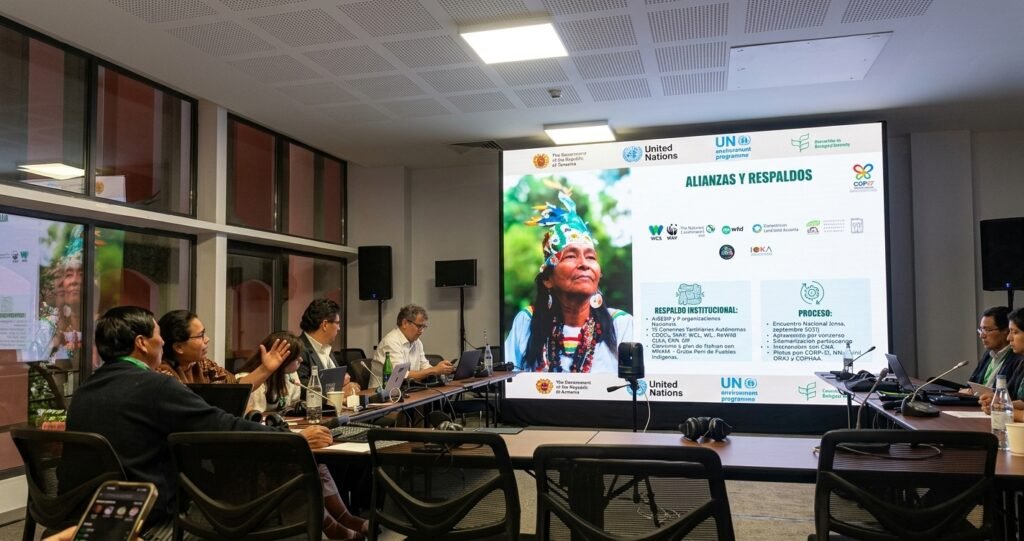
Delegates highlighted the role of Indigenous communities as frontline custodians of biodiversity, arguing that supporting their stewardship and securing their territorial rights offer a cost-effective approach to addressing biodiversity loss.The discussions underscored the need to recognise Indigenous governance and traditional knowledge in implementing global biodiversity commitments.