COP17 Concludes In Armenia With Biodiversity Action Plan, Financing Decisions
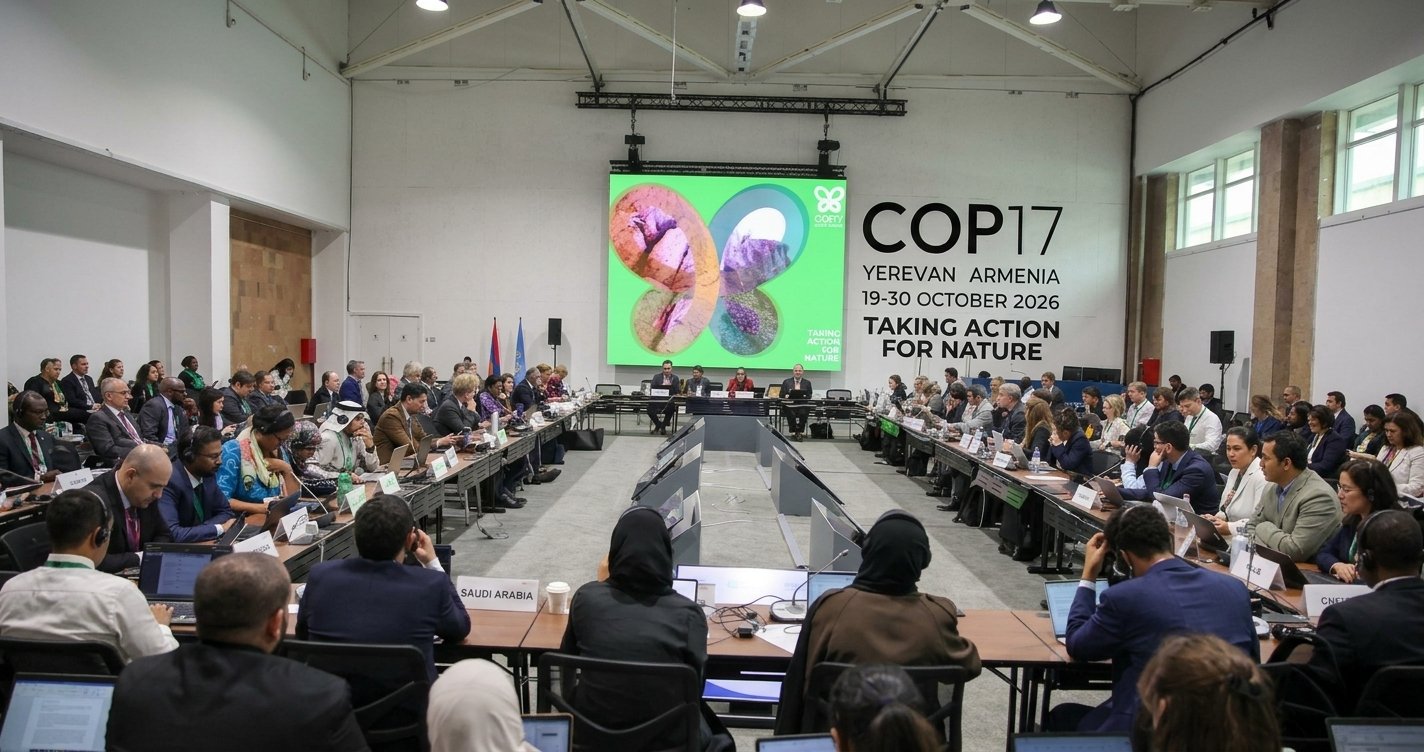
The UN biodiversity conference concluded in Armenia on Saturday after overnight negotiations, with countries adopting decisions on biodiversity financing, conservation targets, Indigenous Peoples’ participation, genetic resources and ecosystem protection, while leaving several contentious issues for the next meeting in 2028.
Read More: Biodiversity COP17 Opens in Armenia to Address Global Nature Loss
The 17th Conference of the Parties to the Convention on Biological Diversity (CBD COP17), held in Yerevan from October 19 to 30, continued into the following morning, with the final plenary concluding at approximately 10:20am on October 31.
The conference marked the first global review of progress towards implementing the Kunming-Montreal Global Biodiversity Framework (KMGBF), adopted in 2022, which sets 23 targets to halt and reverse biodiversity loss by 2030.
Delegates also selected Quito, Ecuador, as the host city for COP18 in 2028. Ecuador secured 55 votes in a secret ballot, defeating Panama City, which received 53.A central outcome was the adoption of decisions intended to accelerate implementation of the global biodiversity framework through the proposed Yerevan Pathway.
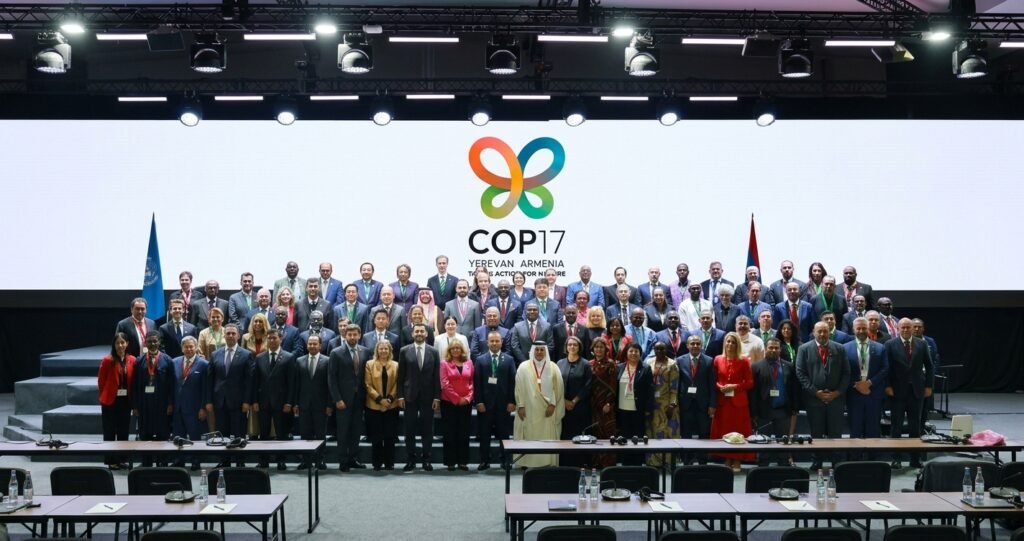
The initiative focuses on strengthening national biodiversity strategies, improving financing and technical assistance, enhancing institutional coordination and involving Indigenous Peoples, local communities, women and young people in conservation efforts. The first global review highlighted a significant gap between national commitments and implementation.
Read More: COP17 Reviews Biodiversity Progress, Launches Species Recovery Coalition
Although nearly 90 per cent of countries had established national biodiversity targets, fewer than half of the assessed targets were on track, according to the assessment presented ahead of the conference. The review drew on national reports from 129 countries, biodiversity strategies from 89 countries and national targets submitted by 162 countries.
Financing And Accountability
Biodiversity financing remained one of the most difficult negotiating issues. Developing countries called for predictable and accessible financial support, particularly for least developed countries and small island developing states.
The framework aims to mobilise at least $200 billion annually from all sources by 2030, including increased international financial flows to developing countries. The Armenian presidency also highlighted more than $1.9 billion in resources mobilised during the COP17 period.
The Kunming Biodiversity Fund approved nine conservation projects worth approximately $4.5 million for developing countries. Delegates also addressed the financial mechanism under the Convention, monitoring arrangements and national reporting.
The Global Environment Facility (GEF) was asked to establish procedures to ensure timely and accessible resources for recipient countries ahead of reporting deadlines.
Indigenous Participation And Genetic Resources
Another significant decision established the working arrangements of the Subsidiary Body on Article 8(j), which deals with traditional knowledge, innovations and practices of Indigenous Peoples and local communities relevant to biodiversity conservation.
Read More: Indigenous Leaders Urge Recognition of Traditional Territories at COP17
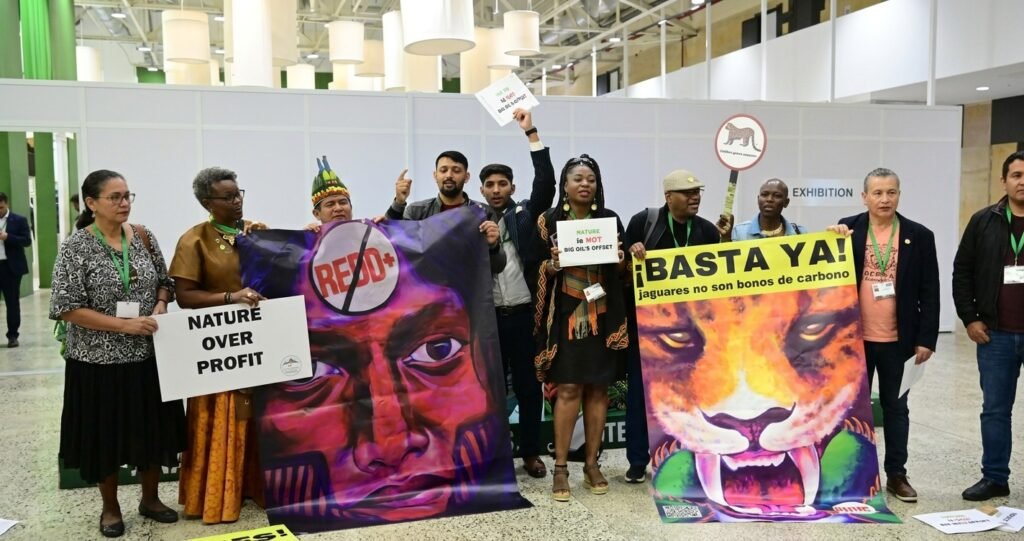
The decision provides an institutional framework for their participation in biodiversity policymaking. However, disagreements persisted over representation and nomination procedures, with Indonesia and Canada expressing reservations about aspects of the proposed arrangements.
Negotiations also addressed digital sequence information (DSI), which refers to digital data derived from genetic resources and is increasingly used in scientific research, agriculture, biotechnology and pharmaceuticals.
Parties adopted a decision on benefit-sharing arrangements, including the role of the Cali Fund, which is intended to channel contributions from commercial users of genetic information towards biodiversity conservation and countries and communities associated with genetic resources.
Read More: Indigenous Groups Seek Recognition of Their Role in Biodiversity Conservation
Further negotiations on the broader multilateral benefit-sharing mechanism under the Nagoya Protocol were deferred to COP18. Ecosystems and marine conservation.
The final negotiating session adopted decisions on forest biodiversity and biodiversity in agriculture following disagreements that delayed the proceedings. Discussions recognised the need to integrate biodiversity conservation into agricultural production, land management and wider economic policies.
Read More: COP17 Reviews Biodiversity Progress, Launches Species Recovery Coalition
Marine and coastal biodiversity also featured in negotiations, including the identification of ecologically or biologically significant marine areas and cooperation with other international instruments, including the Agreement on Biodiversity Beyond National Jurisdiction, commonly known as the High Seas Treaty.
The discussions were linked to Target 3 of the global framework, which calls for conserving at least 30 per cent of terrestrial, inland water, coastal and marine areas by 2030. Other subjects included biodiversity and human health, sustainable wildlife management, invasive alien species, gender equality, biosafety, communication and public awareness, and access to and benefit-sharing from genetic resources.
During the first week, parties adopted 14 decisions across the Convention and its two protocols, covering institutional, technical and implementation matters. The Armenian presidency also launched the Yerevan Call on incentives positive to biodiversity and the Friends of Target 18 initiative. Target 18 calls for identifying and reforming harmful incentives, including subsidies, and scaling up positive incentives for conservation. The framework sets a goal of reducing harmful incentives by at least $500 billion annually by 2030.
The Next Summit
Despite the decisions, several issues remained unresolved. Negotiations on the broader multilateral benefit-sharing mechanism under the Nagoya Protocol and cooperation with other international conventions were deferred to COP18. Some provisions concerning biodiversity and health, marine conservation, sustainable wildlife management and harmful incentives also remained contested.
Read More: COP17 Highlights Nature-Positive Cities, Public Participation in Biosafety
The final plenary, chaired by COP17 President and Armenian Environment Minister Hambardzum Matevosyan, began late on October 30. It was suspended after disagreements over forest biodiversity and agriculture, before negotiations resumed and the decisions were adopted.The conference eventually concluded on the morning of October 31 after further discussions on Indigenous participation, genetic information and other outstanding matters.
Read More: Uzbekistan Proposes Three Biodiversity Initiatives at COP17
Held against growing concerns over ecosystem degradation and biodiversity loss, COP17’s first global review has underscored the challenge facing governments: translating international commitments into funded national programmes and measurable conservation outcomes.
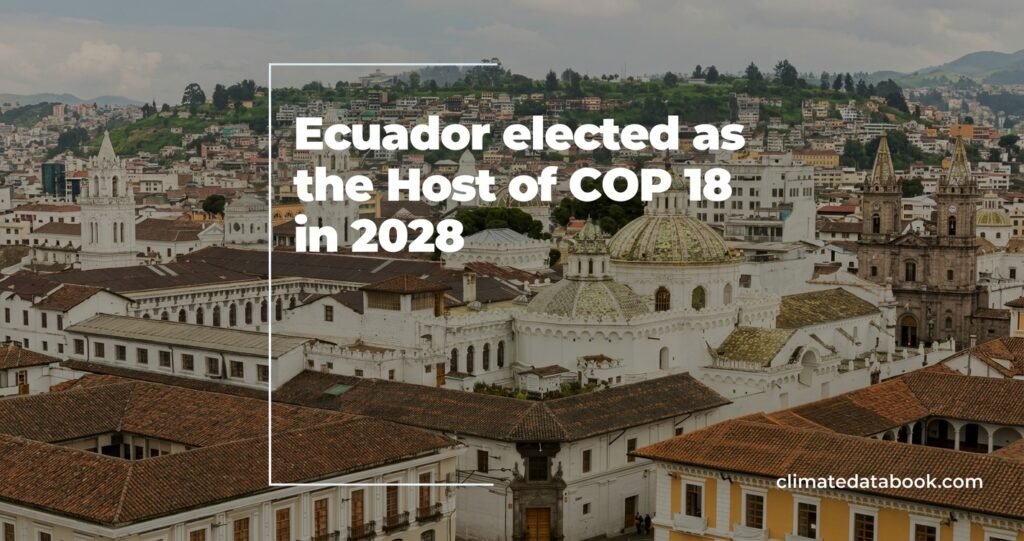
With COP18 scheduled for Quito in 2028, countries will face continued pressure to demonstrate progress towards the 2030 targets through stronger financing, scientific monitoring and the integration of biodiversity into development policies.